



When a creator reports a problem publicly, acknowledge the specific issue, assign someone to investigate, and give a realistic time for the next update. Move order, payment or personal details to an appropriate private channel. Keep support independent of whether the creator leaves their criticism online, changes it or posts again.
A creator complaint response needs two owners' actions: someone must answer the creator, and someone must fix or explain the reported problem. One person can do both, but a public reply alone does not complete the work.
Read the complaint before drafting the reply
Open the original post and read the surrounding conversation. Separate what the creator reports from what your records confirm. A payment described as overdue might involve a missed invoice, a disputed due date or a failed transfer. Each needs a different investigation.
Record the post URL, its visible publication time, when your team saw it, and a short factual summary. Keep an uncertainty field. Write "creator reports no payment received" until finance has checked; avoid labelling the person dishonest or difficult.
Search can help locate related posts, but record its limits. X's search documentation describes Top and Latest results and settings that can exclude sensitive content or muted and blocked accounts. A search result list cannot establish that you found every complaint. Do not turn the posts you happened to find into a claim about how common the problem is.
If you need help deciding whether a report needs wider attention, use the steps for verifying a potential brand issue before escalation.
Before replying, decide which route applies:
| Reported issue | Investigation owner | First response priority |
|---|---|---|
| Missing or late payment | Finance, with creator manager coordinating | Confirm which payment needs checking without publishing invoice details |
| Damaged or missing product | Customer support or fulfilment | Acknowledge the delivery problem and arrange a private case |
| Injury, threat or exposed personal information | Relevant safety, security or privacy lead | Escalate promptly and avoid repeating sensitive details |
| Disputed campaign instruction | Campaign owner | Compare the agreed brief with the instruction the creator received |
These are suggested assignments. Use your organisation's established incident procedures where they apply. Follower count should not decide whether someone receives help.
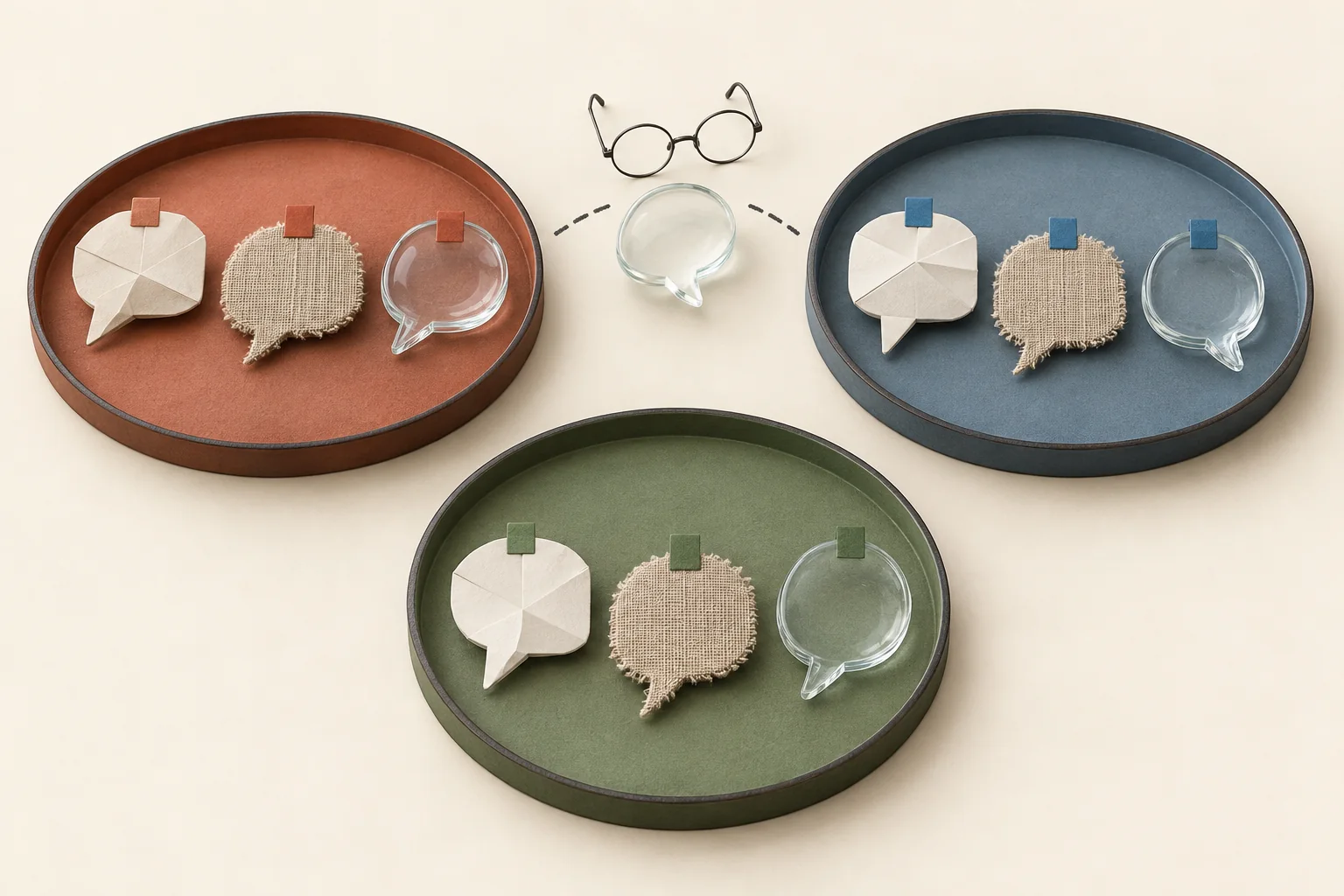
Three response drafts for the same complaint
The following drafts describe a hypothetical damaged-product complaint. The times, actions and outcome are illustrative. Use only statements your team can support, and replace the update time with one the assigned person has accepted.
1. Public acknowledgement before investigation
We're sorry the product arrived damaged. Our support team will investigate the delivery. Please use the support link in our profile to send your order reference privately; please don't post your address here. We'll update you by 3 p.m. London time tomorrow, even if the investigation is still open.
This draft names the problem and the next step without claiming to know who caused the damage. Use the profile-link instruction only if that route exists and works. Otherwise, name an established support route. Do not send the creator through a new form if an existing conversation already contains the needed details.
Avoid an empty "DM us" reply. Explain which information is needed and why it belongs outside the public thread.
2. Private support message after checking the case
We've matched your order reference to the damaged delivery. We can arrange a replacement under our support policy. Would you prefer us to continue here or through your existing support case? You do not need to delete or change your post to receive help. Please don't send payment-card details in this chat.
Only offer a replacement if the person handling the case has authority to do so. If the remedy is still undecided, say what the team is checking and when it will answer. Keep the same support criteria you would apply to someone without a public audience.
Sprout Social's article on influencer relationships recommends connecting creators and customer care so feedback reaches the team that can address it. In practice, the creator manager should carry the case context across that handoff rather than asking the creator to start over.
3. Public follow-up after a confirmed remedy
We confirmed a problem with this delivery and arranged a replacement. We've sent the delivery details privately. We're sorry for the extra work this caused.
Use this only after arranging the replacement and agreeing with the creator which case details may be shared. It says what the brand did. It does not claim the creator is satisfied or that the replacement has arrived.
If investigation continues, publish a status update instead. Explain that the case remains open, identify the next check, and give a new update time. Do not announce resolution because a ticket changed status internally.
Keep content requests separate from support
Adopt an internal rule that refunds, replacements and payment of amounts owed do not depend on removing criticism. Do not bundle a support offer with a request for a positive post, a retraction or silence.
There is a specific US legal boundary worth understanding. The FTC's consumer reviews rule Q&A explains that businesses may respond publicly and contact reviewers to resolve problems. It also describes prohibited suppression tactics, including intimidation and unfounded legal threats. Paying consumers to remove truthful negative reviews may violate the FTC Act, even though that payment is not itself prohibited by the reviews rule.
The FTC distinguishes consumer reviews from paid influencer testimonials. A creator's complaint about a campaign may raise different questions. Do not treat every critical post as the same legal category; involve qualified counsel when a dispute needs legal assessment.
The no-deletion condition here is an operational recommendation. The FTC guidance does not prohibit asking a satisfied customer to update a review. For this workflow, let the creator decide whether to add an update, and never make it a condition of help.
If a post contains a factual error, first identify the precise disputed statement and supporting evidence. The brand can explain its own records without demanding that the entire complaint disappear. Keep any correction discussion separate from the remedy. Route genuine privacy or safety concerns through the relevant process rather than using them as a reason to suppress unrelated criticism.
Keep an issue ownership log
Use one internal record per complaint. The table below is a hypothetical case record, not a real creator incident.
| Field | Hypothetical entry |
|---|---|
| Case | Damaged product reported publicly |
| Report and evidence | Creator reports damage; restricted support case contains the order reference and photo |
| Confirmed facts | Support matched the order; cause of damage remains unknown |
| Response owner | Creator manager |
| Fix owner | Fulfilment lead |
| Next action | Check replacement availability and delivery route |
| Next update | Tomorrow, 3 p.m. London time |
| Remedy status | Replacement proposed; not yet dispatched |
| Public follow-up | Await confirmed action and agreement on details to share |
| Content condition | None |
| Closure evidence | Dispatch confirmation, then delivery check; creator satisfaction recorded only if expressed |
In a live record, name the individual owners and use a calendar date, time and time zone. Add the original post link and observation timestamps. A team name alone makes it harder to identify who must send the promised update.
Keep sensitive evidence in the restricted support record. The general log needs enough information to coordinate work, without copying addresses, bank details or unrelated personal history. The ICO's UK GDPR guidance on data minimisation requires personal data to match the stated purpose and remain limited to what is needed. The ICO notes that this guidance is under review. Apply your organisation's privacy and retention requirements to the case.
For payment disputes, use the companion approach to keeping creator payment details out of general campaign notes.
Before sending the first reply, put a named owner and an accepted update deadline in the log. Then check that the support offer contains no condition about the creator's post.