



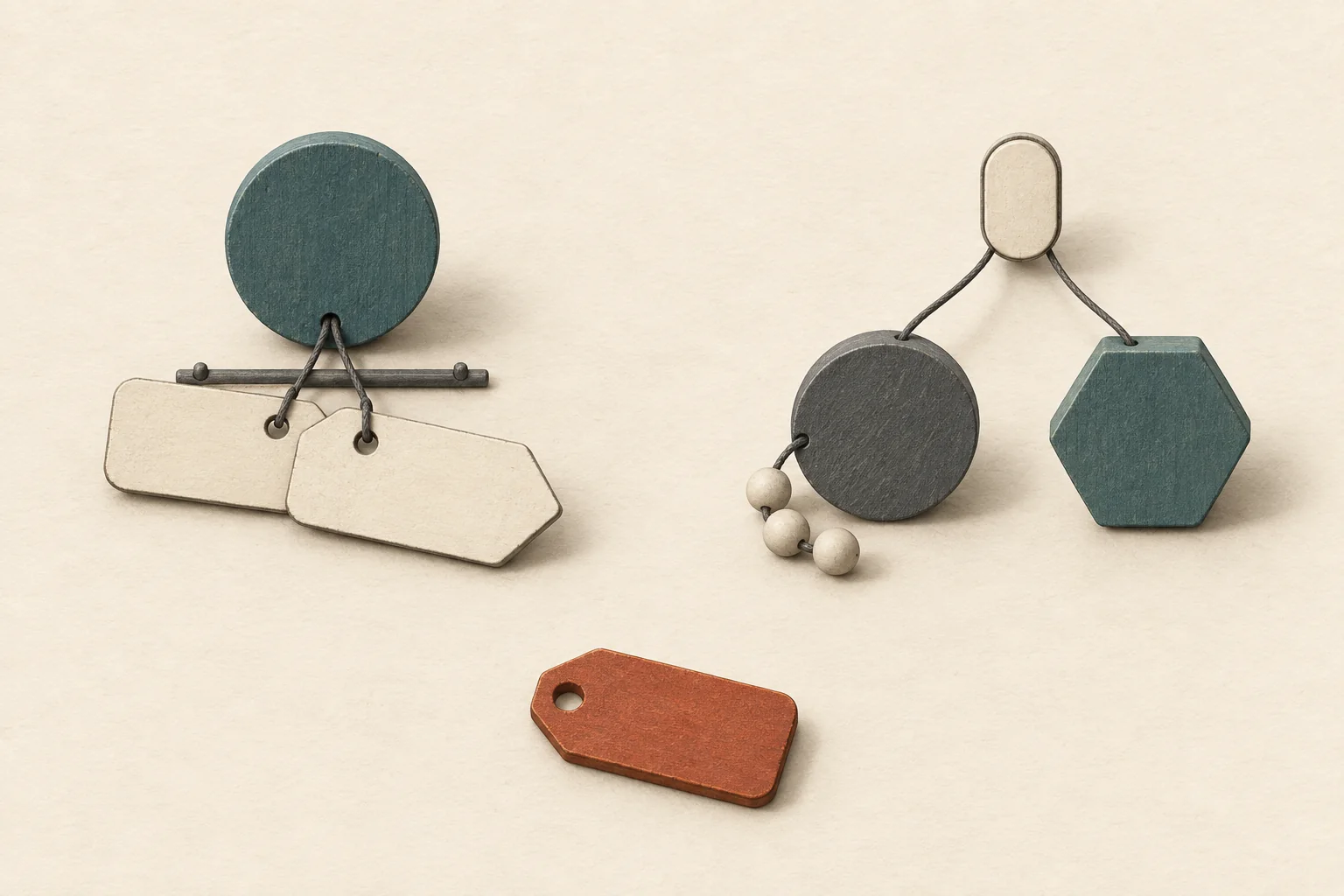
Give each creator an internal record number, keep separate records for their platform accounts, and append dated handle changes instead of overwriting them. Where an authorized source supplies a platform identifier, save its type and scope alongside the value. When you cannot confirm continuity, mark the account for review rather than creating a second creator or merging two people.
Creator database maintenance depends on separating three things: the creator you work with, the account they use, and the handle currently shown on that account. A rename changes the handle. Moving to another account changes which account the creator uses. Your list needs to preserve that difference.
A profile URL can change while the account stays the same
TikTok's username help says changing a username also changes the profile link. It also distinguishes the username from the nickname displayed across TikTok. Neither a familiar display name nor an old URL is enough to confirm identity.
YouTube makes the distinction visible in its URL formats. Its channel URL guide describes an ID-based channel URL and a separate handle URL. Several URL forms can lead to one channel. Importing each URL as a new creator would therefore create duplicates.
Keep the current profile URL for daily work. Keep the old URL as a dated observation so a teammate can trace an older brief, shortlist, or campaign report. Do not treat an old address as a permanent route to the creator.
Store identifiers with their limits
A field called platform_id needs more context before it can support matching. Record:
- The platform and identifier type, such as YouTube channel ID or TikTok
open_id. - The identifier value as text, without changing its case or removing characters.
- The source that supplied it and the date observed.
- Any application or developer scope needed to interpret it.
TikTok's Get User Info documentation requires user authorization and relevant scopes. It defines open_id within the current application and union_id across apps belonging to the same developer. Those are different matching contexts. An export from one app cannot assume that another app's open_id will match for the same user.
This does not give every marketer access to every creator's identifier. If your authorized source does not supply one, leave it unavailable. Do not invent an ID from a handle, buy access of unknown origin, or bypass an account restriction to fill the column.
An identifier also identifies an account within its documented scope. It does not, by itself, prove that the same person still controls it. A conflicting ownership claim needs review even when the account identifier matches.
Keep an identity-history table
Use an account-history sheet linked to your main creator list. One row records one observed state or confirmed change. A spreadsheet can do this without a custom database.
The following example is hypothetical. Every creator, account label, handle, URL, and observation is illustrative. The example.invalid addresses deliberately do not point to real profiles. A1 and A2 are internal account records, not platform IDs.
| Creator | Account | Observed date | Profile URL | Evidence | Decision |
|---|---|---|---|---|---|
| C014 | A1 | 2026-08-03 | https://example.invalid/@claywithmira | Initial profile saved; authorized identifier recorded | Current at this check |
| C014 | A1 | 2026-08-21 | https://example.invalid/@miraclaystudio | Same identifier type, scope, and value | Rename; retain A1 |
| C014 | A2 | 2026-09-09 | https://example.invalid/@miramakesagain | Different comparable identifier; creator confirms move through existing contact | New account; retain A1 history |
| Unassigned | Pending | 2026-09-12 | https://example.invalid/@claywithmira | Old handle appears again; no confirmed link to C014 | Hold for review |
Store the actual identifier, evidence reference, reviewer, and current status in companion columns. Keep those details out of a shared shortlist when the recipient does not need them.
In the second row, the account stays A1 while its handle changes. Update the current URL and preserve the first observation.
In the third row, the creator stays C014 while a new account gets A2. Link A2 to C014 after confirmation. Keep old campaign records attached to A1, where the work happened. Do not silently move historical account results onto A2.
The final row remains unresolved. Reappearance of an old handle does not establish who controls it. A former alias is a search clue, not permission to merge records.
An observation date means when your team saw the change. It is not the rename date unless you have evidence for that date. If you last saw the old handle on August 3 and first saw the new one on August 21, preserve both observations without inventing the day between them.
Decide whether to update, link, or wait
When an import or teammate flags a changed handle, use this sequence:
- Find the existing record. Search current handles, historical handles, saved URLs, and available scoped identifiers before creating another creator.
- Check account continuity. Compare identifiers only when the platform, identifier type, and scope are compatible. A match supports updating the existing account, subject to any ownership conflict.
- Check a possible move. If the account identifier differs, look for a creator-owned announcement connecting the accounts. For an existing partner, confirm through the contact channel you already used.
- Record the evidence. Save the announcement URL or an internal reference to the confirmation, with the observation date. Separate a directly observed fact from your interpretation.
- Choose a state. Record confirmed rename, confirmed account move, or unresolved. Assign a reviewer to unresolved cases and pause outreach through the disputed profile.
Similar profile photos, topics, display names, or follower totals can help you find candidates. Do not use them alone to merge records. A failed page load also gives you too little evidence to declare that a creator deleted an account.
Where identifiers are unavailable, document the evidence connecting the old and new profiles. A confirmation through an established creator contact can resolve a move without manufacturing a platform ID. If the evidence remains conflicting, keep the records separate and explain the uncertainty.
This article covers account history. For several profiles that may belong to one contact, use the separate process for deduplicating creator contacts across profiles.
Assign the next check to a person
Give each changed-account case an owner. Modash's article on influencer relationships recommends team reference documents and describes assigning creators a single relationship contact. Apply that ownership to your list: one teammate confirms the change and records the decision.
Check identity before using an old shortlist for a new campaign, after a broken link, or when a creator reports a rename or move. This is a recommended operating rule, not a platform-mandated refresh schedule. Contact details need their own review; refreshing a creator contact list before a campaign covers that separate task.
Before closing a change, confirm that:
- The creator still has one internal record unless evidence shows these are different people.
- The current profile link opens the intended account.
- The previous URL and observation date remain in history.
- A new account has its own record rather than inheriting the old account's results.
- The next teammate can see who reviewed the evidence and what remains uncertain.
Start with the next creator whose profile link fails. Find their existing record, add a dated observation, and resolve whether you found a rename, a move, or an unconfirmed match before editing the current URL.