



Before requesting category exclusivity, agree on the products, competitors, activities, dates and markets the restriction would cover. Then identify the work the creator can continue, price the restriction and send the proposed scope for legal review. Broad influencer exclusivity terms can leave a creator unsure whether unrelated sponsorships, existing affiliate links or old posts remain allowed.
Use the worksheet below to prepare that discussion. It is an operational planning tool, not a contract clause or legal advice. Qualified advisers should review the governing law and the jurisdictions relevant to the parties and campaign.
Name the conflict you need to prevent
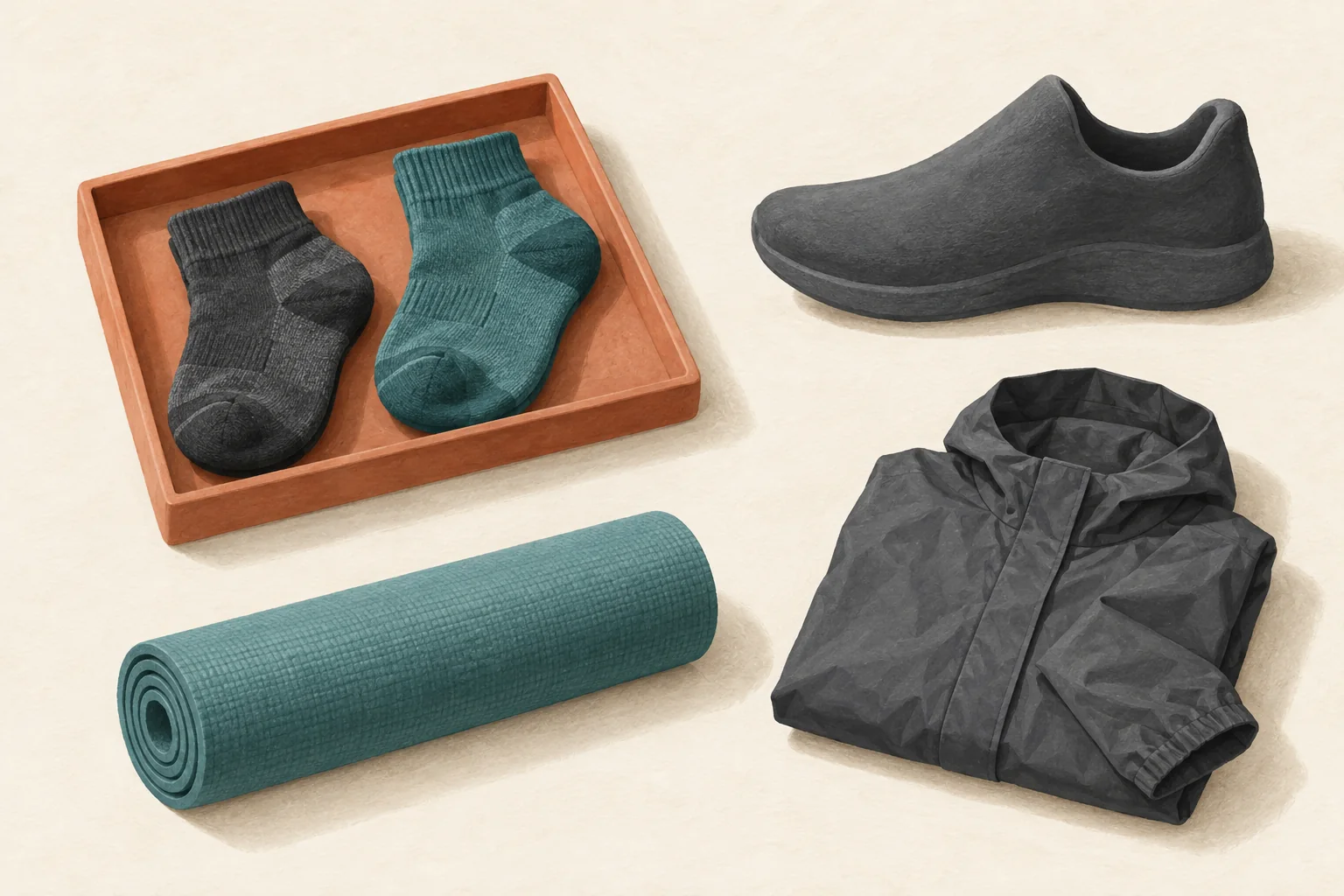
Write down a concrete concern before choosing a category. For example, a hypothetical running-sock brand might want to avoid a competing sock endorsement during its launch. A ban on all sportswear would also block shoe, jacket and equipment work that may have no bearing on that concern.
Ask whether you need a restriction on competing products, a list of named brands, or a short gap between particular sponsored posts. These are different requests. Modash's guide to exclusivity discusses negotiating category, competitors, platforms and content formats. Its practitioner examples are useful discussion prompts; they do not establish a required window or price.
There is also a legal reason to examine scope. The Australian Government's contract preparation guidance identifies the hirer's genuine interest, the period and geography as factors courts consider for exclusivity. It warns that overly restrictive or unreasonable clauses may not be enforced. That is Australian contractor guidance, not a conclusion about your agreement elsewhere.
Complete an exclusivity scoping worksheet
Have the brand and creator answer each row before an adviser drafts the terms. Record disagreements rather than letting a broad category name conceal them.
| Scope item | Question to settle | Record for review |
|---|---|---|
| Product category | Which products create the conflict? | Included products and explicit exclusions |
| Competitors | Does the restriction follow named brands, a product definition, or both? | Brand list, sub-brands and the rule for unlisted entrants |
| Restricted activity | Are paid endorsements, gifted mentions, affiliate links and appearances treated alike? | Each covered activity and each permitted activity |
| Accounts and formats | Which creator accounts and content formats are covered? | Account identifiers and format list |
| Duration | Does the restriction affect signing deals, publishing content, or both? | Start, end, time zone and any pre-launch period |
| Geography | Which market does the restriction protect, and what makes a deal fall within it? | Defined market test and examples |
| Existing commitments | What has the creator already promised? | Approved exceptions, dates and content that remains live |
| Changes and exit | What happens if the launch moves or the brand cancels? | Change process, compensation discussion and release from restrictions |
If you use both a competitor list and a category definition, decide how they interact. Does the restriction cover any product sold by a listed brand? Or only listed brands' products inside the agreed category? Ask whether an unlisted competitor selling the same product is covered. Have counsel turn those answers into unambiguous wording.
For broader agreement topics, use the creator contract discussion guide alongside this worksheet.
Test ambiguous terms against actual work
These are hypothetical negotiation examples. The suggested questions expose uncertainty; they do not supply enforceable replacement language.
| Ambiguous term | Work it might accidentally block | Question to resolve |
|---|---|---|
| "No fitness brands" | A running-sock creator's paid yoga-mat demonstration | Are socks the protected category, or all exercise products? |
| "No competitors" | A shoe campaign from a company that also sells socks | Does the restriction follow the advertised product or the parent company? |
| "For the campaign period" | A booked sponsorship after a delayed launch | What ends the restriction, and can a delay change that date? |
| "Exclusive in the UK" | An overseas campaign visible to UK followers | Does scope follow targeted market, sales destination or another agreed test? |
| "No mentions" | An old affiliate link or an unpaid comment about personal equipment | Are existing content, links and unsponsored discussion excluded? |
Geography needs more than a country name. A creator's location, the advertiser's location and the intended audience can differ. Ask counsel to define the agreed market test. Do not assume that worldwide visibility calls for worldwide exclusivity, or promise the creator can prevent every out-of-market view.
For each proposed restriction, request an example of work the creator expects to accept during the period. Agree whether it is permitted. Record the answer with the scope version so the campaign manager can apply it later.
Set dates that survive a delayed launch
A reference to the last campaign post can move whenever someone adds a deliverable. As an editorial recommendation, agree a fixed end date or an explicit process for changing it, with a price discussion for any extension.
The following schedule is hypothetical. It illustrates decisions to document, not a recommended industry duration.
| Schedule item | Proposed arrangement for review |
|---|---|
| Planned sponsored post | October 15, 2026 |
| Restricted publication window | October 12, 2026 at 00:00 through October 19, 2026 at 23:59, Europe/London |
| Launch moves to October 22 | Original window stays unchanged unless both parties agree a revision |
| Creator signs a future competing deal | Permitted if the proposed restriction covers publication only and the other terms allow it |
| Brand cancels before publication | Adviser drafts when restrictions end and what compensation remains payable |
Discuss cancellation while discussing price. Australia's contract guidance specifically raises compensation for work contractors cannot take and arrangements for costs or losses when the hirer cancels. It also recommends documenting agreed variations in writing. Your adviser should assess the appropriate terms for your jurisdiction.
Keep rights and disclosure questions separate
Record existing sponsored posts, affiliate links and any competitor ads already using the creator's content. A creator may have given another advertiser a reuse period. Ask what they can control before requesting removal or a promise that all previous ads will stop.
Discuss permissions to reuse your campaign content separately from restrictions on the creator's other work. The Australian guidance addresses intellectual property rights separately from exclusivity. Use the usage-rights budgeting guide to prepare that separate fee and permission discussion, and track content-rights expiry alongside the exclusivity end date.
An exception for a gifted post does not settle disclosure. For endorsements affecting US consumers, FTC staff guidance treats free or discounted products as possible material connections requiring disclosure. It also explains that US law can apply to posts made abroad when effects on US consumers are reasonably foreseeable. Ask local advisers about other applicable requirements.
Decide what to send for legal review
Request a quote for the defined restriction, including its exceptions. If the quote exceeds the budget, negotiate a narrower product category, shorter period or smaller set of accounts. Do not silently expand scope after agreeing the fee.
Send counsel the completed worksheet, competitor list, hypothetical boundary cases and known prior commitments. Ask them to review enforceability, governing law, cancellation and the process for resolving disputed work. Before the creator signs, both sides should be able to classify a proposed unrelated sponsorship using the same written scope.