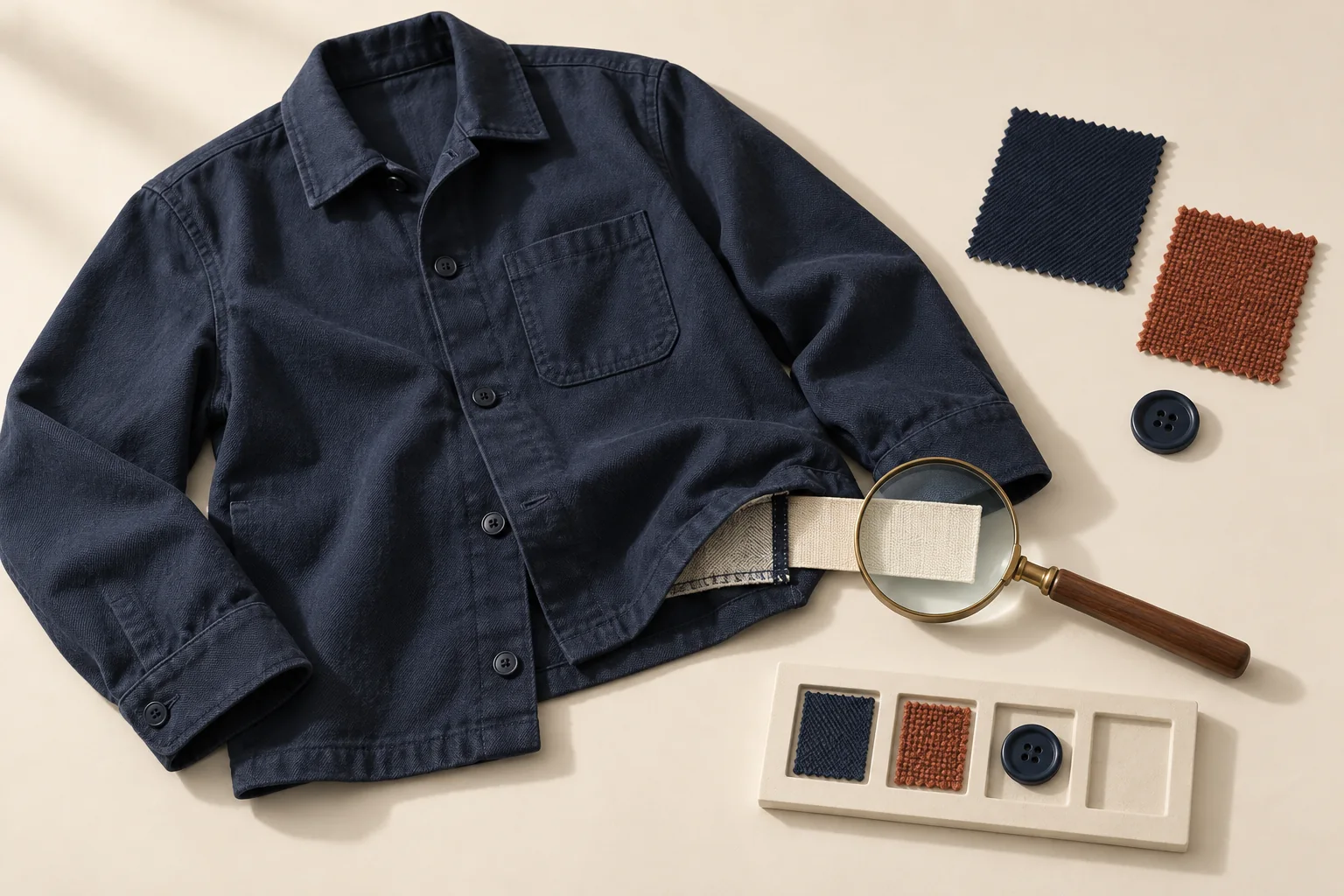




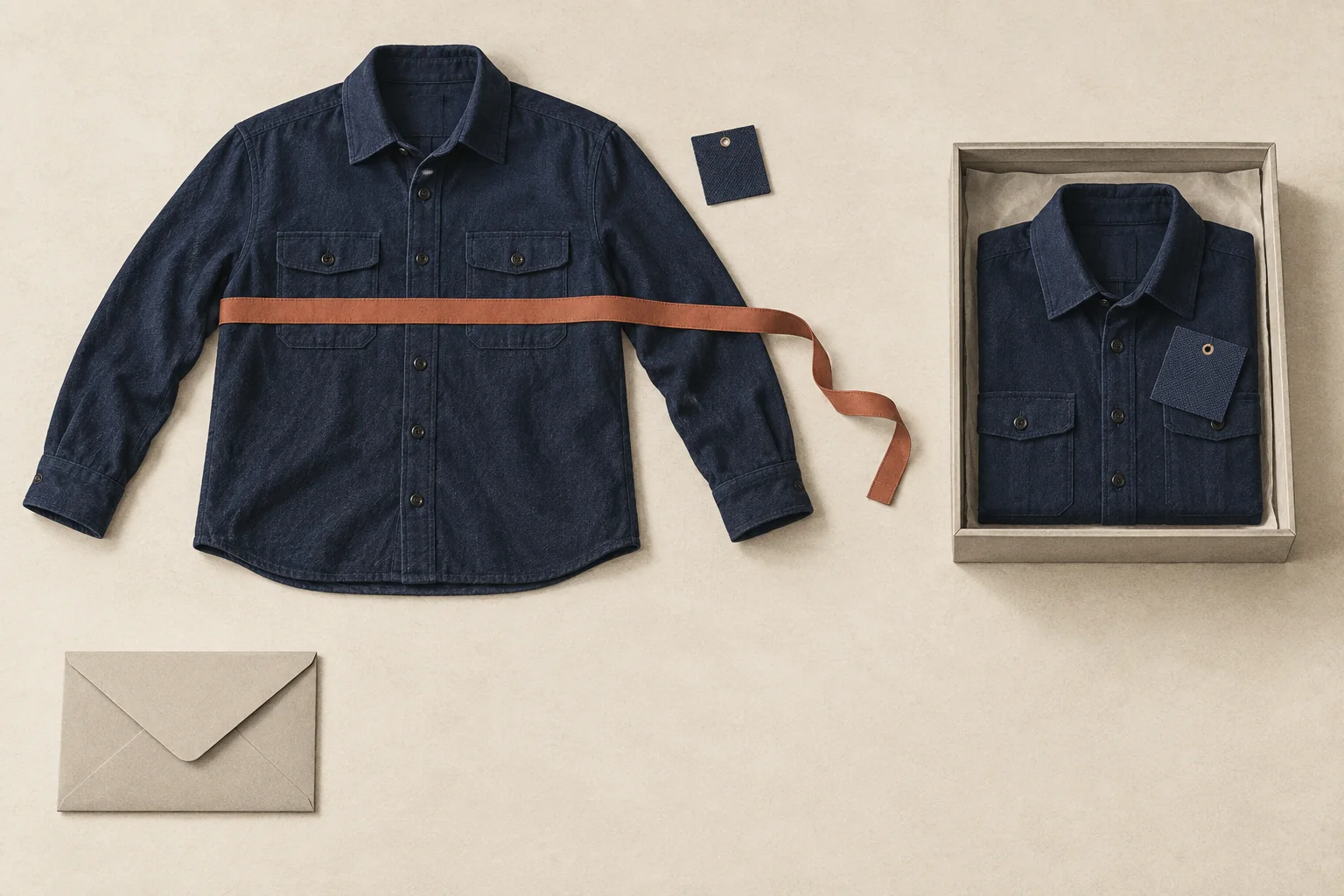
Ask for the creator's chosen garment, the size shown on that garment's brand chart, and any optional fit preference needed to select the variant. Offer help, a different item, and a decline option. Let creators consult body measurements privately and submit only their final size. A fashion influencer size form should record an order choice without turning that choice into a claim about someone's gender, body shape, health, or identity.
Send the garment reference before asking for a size
A reply of "medium" leaves the packing team with unanswered questions. Which item? Which chart? Which length? Send a product-specific reference before the form:
- Product name, link, and style or SKU identifier.
- Available colors, sizes, lengths, and cuts for this shipment.
- The manufacturer's relevant size chart and measuring instructions.
- Whether the chart lists body measurements or finished-garment measurements, with units.
- The route for fit questions and the exchange options your team can support.
That distinction between body and garment measurements matters. Patagonia's men's size guide identifies its chart values as body measurements. It also says standard inseam can vary by product and directs readers to the product page. Copying numbers into an unlabeled spreadsheet would lose that context.
If a manufacturer supplies finished-garment measurements, preserve its method. A flat chest width and a measurement around a person's chest are different quantities. Do not convert one into a size recommendation unless the brand supplies the method. Ask the product team when the reference is unclear.
Keep catalog wording attached to the product. A creator choosing an item from a brand's "men's" range has selected that item. Record the range only where needed to identify the correct chart or SKU. Do not use it to populate a gender field.
Use this size request form
The following is a recommended form design, rather than a platform requirement. Populate its product choices from the actual shipment inventory. Link the reference beside the size question so the creator can check it without sending their measurements to you.
Opening copy. "Choose the garment and size you would like us to send. You can use the linked size guide privately. You do not need to share body measurements, photos, or a reason for your choice. You can also ask for help, choose another item, or decline this garment."
| Field | Response choices | Handling rule |
|---|---|---|
| Garment | Available product and color variants | Keep the product identifier with the answer |
| Requested size | This item's size labels; unsure; prefer not to answer | No preselected size |
| Length or cut | Available options; no preference; unsure | Show only when the item has those variants |
| Preferred fit, optional | Closer fit; regular fit; more room; own wording; skip | Treat as a preference, not a measurement |
| Help route | Send more garment details; contact me about fit; no help needed | Do not require a body photo |
| If this item will not work | Show other items; pause shipment; decline garment | Do not substitute automatically |
| Optional note | A short practical request | Explain that medical or identity details are unnecessary |
Make "prefer not to answer" produce a real outcome. Pause the garment shipment and offer the selected next step. Do not leave the field optional while silently inserting a default size at checkout.
Keep shipping-address collection in a separate step. The address verification guide covers the delivery details needed after the creator accepts the item.
Ask one follow-up when the choice is unclear
Use the smallest question that resolves the order:
- Size supplied without a chart: "Is that your choice from the chart linked for this jacket, or would you like to review it first?"
- Creator is between sizes: "Would you like the manufacturer's fit guidance or measurements for the two garment sizes?"
- Creator wants help but no body measurement request: "We can send garment measurements for you to compare privately with something you own."
- Requested size unavailable: "That variant is unavailable. Would you prefer another item, a later shipment if stock returns, or to decline?"
Only offer garment measurements your product team can verify. Where the manufacturer uses body measurements, let the creator use those instructions privately instead.
Do not estimate size from a photo, video, name, pronouns, or an old order. An earlier choice can be wrong for a different garment or for today's preference. Ask the creator to confirm the current item.
Modash's gifting article discusses giving creators a choice within a selected product range. Use that operational idea here by offering alternatives that are available. It does not establish a guaranteed posting rate, or a reason to press someone for personal details.
Hand the warehouse a confirmed variant
Separate the creator's private fit conversation from the pick-and-pack record. The warehouse needs an unambiguous item choice and a hold instruction when that choice is unresolved.
This hypothetical handoff shows the distinction. The product, identifier, and choices below are invented to demonstrate the record.
| Handoff field | Hypothetical entry |
|---|---|
| Item | Harbor overshirt, navy |
| Style identifier | HBR-01 |
| Reference supplied | HBR-01 manufacturer size guide, current product page |
| Measurement type | Body measurements, centimeters |
| Creator selection | L, regular length |
| Selection status | Creator confirmed after reviewing the reference |
| Packing instruction | Ship this variant only; hold if unavailable |
| Warehouse note | No substitution authorized |
The record does not need a claim that the recipient "is a size L." It needs the fact that they chose L for HBR-01. If they selected "unsure," the status would remain on hold, with no size sent to packing.
Keep a reference date or version when the brand supplies one. If the style changes before dispatch, send the new reference for confirmation. For campaigns that will film a try-on, use the available-variant planning guide to check which confirmed garments the content can feature.
Limit what survives after the shipment
For organizations subject to UK GDPR, the ICO's data-minimisation guidance says personal data should be adequate, relevant, and limited to the stated purpose. It also calls for reviewing held data and deleting what is no longer needed. The page is under review following the Data (Use and Access) Act. This form is an operational recommendation, not a legal compliance assessment.
Apply that purpose test to each field. Can the team send and exchange this garment without keeping the answer? If yes, remove it from the required form. Raw body measurements need not follow the confirmed variant into warehouse exports, shared campaign briefs, or future outreach lists.
Before sending the form, name who can read optional fit notes and decide when to review and remove them. Match that decision to your actual fulfillment, exchange, and recordkeeping needs. Do not invent a universal retention period or promise deletion your systems cannot perform.
Keep a decline attached to this shipment without adding a speculative explanation. "Declined garment" is enough to stop dispatch. It does not justify a note about the creator's body or identity.
Open your next garment request and check two paths: a confirmed size must reach the correct SKU, and a declined answer must stop the shipment. Fix either path before sending the form.