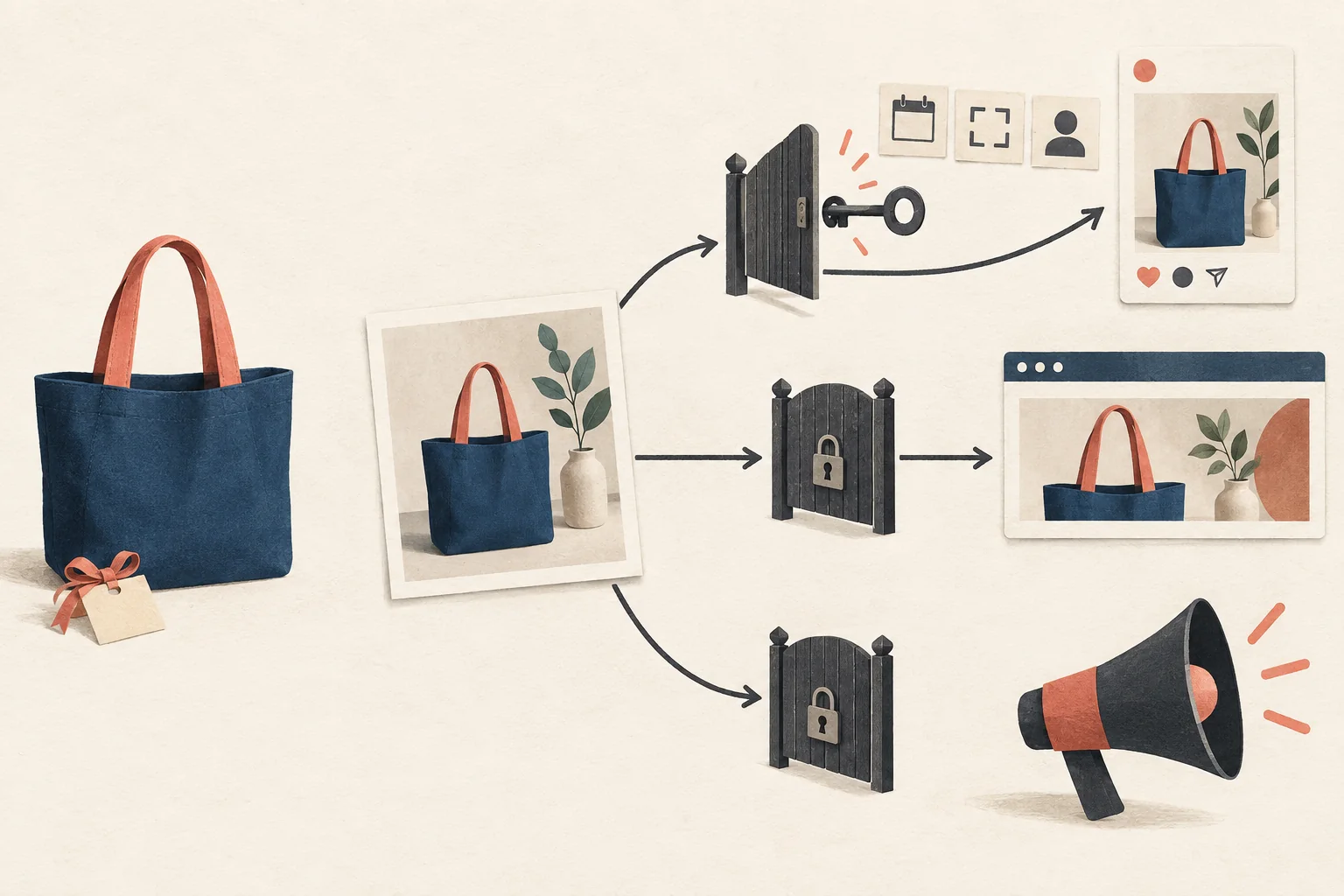




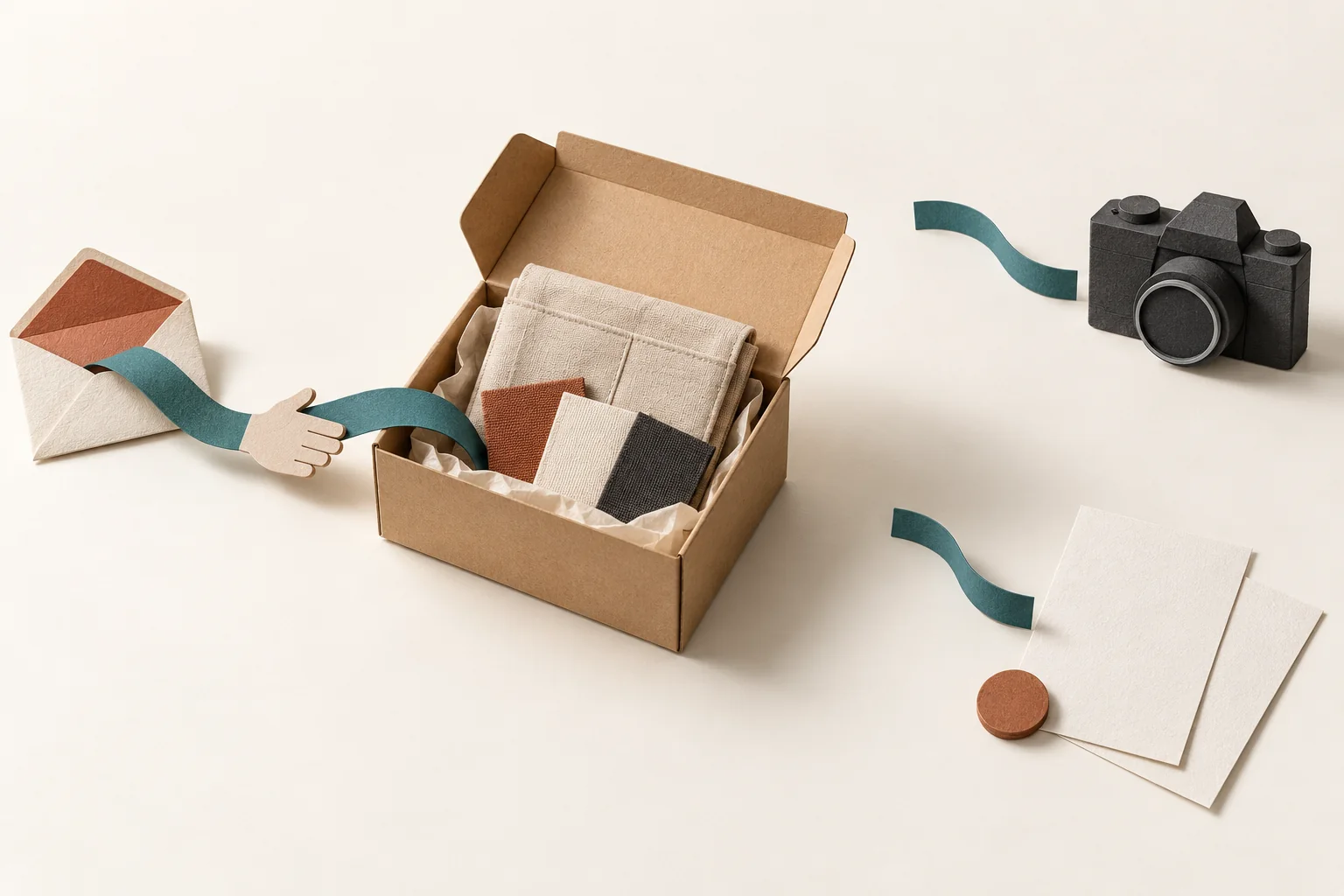
Run influencer product seeding as an invitation to try a product, with no obligation to publish. Record acceptance, shipment, voluntary content and any later paid agreement separately. A delivered package closes a fulfillment task. It creates no posting deadline in this program.
That distinction needs to survive the invitation, the packing note and the team's reporting. If a launch requires a certain number of posts by a date, commission those posts through a separate agreement. Spend the seeding budget only if you can accept recipients who never publish.
Decide what the gift includes
Write one operating rule before choosing creators: recipients can keep the product whether they post, give private feedback or say nothing. This is the recommended design for this program, rather than a universal legal definition of seeding.
Modash's product-seeding guide also describes seeding without a posting request. Its advice to seek separate content-use permission is useful. Claims that seeding will be cheaper or generate profitable content depend on your costs and results; do not put them into the batch forecast as facts.
Choose a product and a group of creators whose published work gives you a concrete reason to offer it. Someone who demonstrates sewing techniques may have a use for a fabric organizer. A large follower count alone does not establish that fit.
Set these limits before invitations leave:
- The maximum cash and inventory commitment, including staff work and failed deliveries.
- Who can approve a recipient and who can release a shipment.
- Which products and destinations your fulfillment team has already cleared for this batch.
- A review date for learning from the batch, with no corresponding deadline imposed on recipients.
Keep product-specific handling, destination restrictions and customs decisions with the fulfillment owner. This operating map does not establish that a particular item can ship to a particular country.
Use separate states for separate decisions
A single status called "active influencer" cannot show whether someone accepted a gift or accepted paid work. Use the following map. These are recommended internal controls, not platform requirements.
| Record | State | Evidence before moving forward |
|---|---|---|
| Invitation | Ready, sent, accepted, declined, closed unanswered | The actual invitation and reply |
| Gift consent | Awaiting confirmation, confirmed, withdrawn | Agreement to receive the named product under the stated terms |
| Shipment | Not released, ready, dispatched, delivered, exception, cancelled | Fulfillment confirmation and delivery evidence |
| Voluntary response | None observed, private feedback, public mention | Feedback record or dated post link |
| Paid work | No offer, proposed, negotiating, agreed | A separate agreement covering the paid scope |
| Content reuse | Not requested, requested, permission recorded | The specific use the creator agreed to |
Acceptance and consent can arrive in the same reply. Keep their meaning explicit: "I am interested" may still leave the product choice unresolved. Release the shipment only after the creator confirms what they want to receive and supplies the necessary delivery details.
After delivery, the remaining records can develop independently. A creator can give private feedback without publishing. They can discuss paid work before making a voluntary post. A public mention can exist while content-reuse permission remains unrequested.
Give every open task one owner and one next action. For example, "fulfillment owner checks delivery exception" belongs to the shipment record. "Creator owes Reel" does not belong anywhere in a no-obligation gift record.
Make the invitation match the record
Contact creators only through routes they welcome for business inquiries, where applicable rules permit that message. A public email address or available DM button alone does not establish permission. Use the business-contact selection guide when the route is unclear.
A hypothetical invitation for a fabric organizer could read:
We make fabric organizers and noticed your recent sewing-room tutorials. Would you like to try one? You can keep it, and there is no requirement to post, review it or give feedback. If you are interested, we will confirm your preferred version before requesting delivery details. Any paid project would be discussed separately.
Do not add a required hashtag, content submission date or approval process beneath that promise. If a creator asks about a fee, clarify whether they are proposing paid work. Do not treat the gift as advance payment.
No reply means the invitation remains unanswered. Do not send a package using an address found elsewhere. A declined invitation ends that offer; a withdrawn acceptance should stop fulfillment if the package has not left.
Collect delivery details for delivery
Ask for address details after acceptance through a controlled collection process. Explain their intended use and who needs them to fulfill the shipment. Keep the address out of content reports and broadly shared creator shortlists.
For organizations subject to UK GDPR, the ICO's data-protection principles cover purpose limitation, collecting only necessary data, security and retention. The ICO flags this guidance as under review following the Data (Use and Access) Act. These principles do not supply a universal address-retention period.
As an operating practice, restrict address access to staff and providers who need it. Assign someone to review deletion when fulfillment and any justified recordkeeping needs end. Agreement to receive a package should not automatically enroll someone in future shipments or marketing lists. It also does not, by itself, settle every data-protection requirement.
Use the shipping-details consent guide to design the collection step before asking creators for addresses.
Keep voluntary posts voluntary, and disclose gifts
After delivery, a service message can resolve a missing or damaged package without asking for content. Optional feedback should remain optional. Avoid reminders about an imagined posting commitment, including "checking when your review will go live."
Voluntary publication still needs disclosure when a gift creates a material connection. The FTC's U.S. guidance says creators should disclose free products when mentioning the brand, even when the brand did not request that mention. It also explains that U.S. law can apply to posts abroad when effects on U.S. consumers are reasonably foreseeable.
Tell recipients this before shipping. Ask them to identify the brand that supplied the gift if they choose to endorse it. The disclosure belongs with the endorsement, where viewers can notice and understand it. For video, the FTC says disclosure belongs in the video itself, rather than only in its description. Platform disclosure tools have their own rules; the FTC warns against assuming a tool alone is enough.
Record a public mention as an observed result. Keep private product feedback separate from public endorsements, and leave content-reuse permission unset until you have agreed the intended use.
A hypothetical first batch
Suppose a sewing-accessory brand reviews a batch four weeks after sending invitations. These figures illustrate the records; they are not a benchmark or expected result.
| Record at review | Hypothetical count | Action |
|---|---|---|
| Invitations sent | 20 | Reconcile all replies |
| Declined | 3 | Close those offers |
| Unanswered | 5 | Close without shipping |
| Accepted with gift terms confirmed | 12 | Check readiness individually |
| Waiting for delivery details | 2 | Hold shipment |
| Dispatched | 10 | Reconcile delivery records |
| Delivered | 9 | Review voluntary responses |
| Still in transit | 1 | Fulfillment owner investigates |
Among the nine delivered recipients, three published, two gave only private feedback and four had no observed response. The batch produced three observed posting creators out of nine delivered recipients at this review date. It did not produce six overdue creators. The observation window and incomplete deliveries belong beside that count.
The brand then proposes paid work to two recipients: one who published and one who gave useful private feedback. One agrees; one is still considering the scope. Record one paid agreement, without rewriting either original gift as a contracted post.
This example exposes two operational tasks before another batch: resolve the parcel in transit and decide whether to keep the two incomplete shipment requests open. Neither task requires chasing a post.
Move to paid work through a new offer
A paid offer should name the deliverables, fee, timing, approval steps and any requested reuse. Have the appropriate reviewer check the terms for the markets involved. Keep the original gift record intact so everyone can see when a commitment began.
Choose whom to approach based on product fit, communication and the proposed work. A voluntary post is one piece of evidence; private feedback may also support a discussion. Use the gifted-to-paid decision guide when choosing candidates.
Before sending your first invitation, create one empty batch record with these separate states. Ask the fulfillment owner and relationship owner to walk through an accepted gift that never produces a post. If either person marks it overdue, change the workflow before sending products.