



Buy an integration when your product solves one part of the problem a viewer came to watch. Choose a dedicated review or tutorial when the viewer needs sustained explanation before deciding. Use a Short for a self-contained demonstration or discovery prompt. Consider a live session when unresolved questions matter enough to justify real-time support. The choice depends on the viewer's task, the evidence they need and the next action you can measure.
Start with the question the viewer brings
Write one sentence before requesting quotes: "After watching, this viewer should be able to decide whether..."
For a storage device, that might end with "their editing workflow needs shared storage." For scheduling software, it might be "the team can handle approvals without sending files by email." These questions demand different demonstrations, even when both products have long feature lists.
Then separate the viewer's starting knowledge from your desired outcome. Someone watching a desk makeover may accept a brief explanation of cable storage. Someone comparing storage systems may need setup, compatibility and failure recovery explained. A longer video creates room for that evidence; it does not guarantee the viewer wants it.
Modash's YouTube marketing guide distinguishes dedicated videos from integrations and describes their different briefing demands. Treat those as production choices. Avoid assuming that every dedicated video attracts buyers or that every Short serves only awareness.
A format decision matrix
This matrix is an editorial recommendation, not a set of YouTube rules. Choose the row that can answer the viewer's question without removing necessary context.
| Viewer task | Format to consider | Explanation depth | Production work to agree | Evidence to request |
|---|---|---|---|---|
| Understand one useful application during a broader video | Integration | One problem, one demonstration, one next step | Segment concept, placement, product use and transition back to the video | Creator-shared retention around the segment; tracked destination visits |
| Decide whether the product fits a specific need | Dedicated review | Tests, tradeoffs and a reasoned verdict | Hands-on access, test conditions, limitations and editorial independence | Retention around tests; relevant viewer questions; tracked inquiries or purchases |
| Learn to complete a multi-step task | Sponsored tutorial | A complete workflow with prerequisites | Working setup, screen recording, troubleshooting and supported product version | Retention around difficult steps; destination actions related to that workflow |
| Notice one visible result or recognize a problem | Short | One self-contained idea | Vertical framing, readable demonstration, disclosure and an achievable next action | Engaged views plus the agreed next-action evidence |
| Resolve questions that vary by viewer | Live demonstration or Q&A | Flexible, with time for clarification | Rehearsal, moderation, boundaries on answers and a backup for failed demos | Questions answered, unresolved issues and post-session destination actions |
A description link or pinned comment can support a deliverable. It cannot replace footage needed to explain a complex product. Specify the placement separately so the creator knows what belongs in the video and what belongs beside it.
Integration or dedicated video?
Ask what the viewer loses if the sponsor segment disappears. If the main video still works, an integration may fit. If removing the product removes the lesson, commission a dedicated tutorial or review.
For an integration, one complete use case usually makes a more workable brief than a compressed feature tour. Agree on where the demonstration belongs in the story. An opening mention can introduce the sponsor, while the useful product evidence appears later. Do not count the opening mention as proof that viewers saw the demonstration.
For a dedicated video, choose between explanation and evaluation. A commissioned tutorial can demonstrate a supported workflow. A review needs room for the creator to reach an unfavorable conclusion. If your brief requires a predetermined positive verdict, change the commission to a demonstration. Use the review-unit independence guide to separate factual corrections from pressure on the verdict.
Check the route from watching to acting
Format changes the next action you can reasonably request.
YouTube states that URLs in Shorts descriptions and comments are non-clickable. Do not buy a Short on the assumption that viewers can tap a pasted description URL. Choose and test another available route, such as a channel profile link, before agreeing to a traffic goal. YouTube also requires advanced-feature access for clickable external links in the placements identified in its guidance.
Measurement needs the same care. Since March 31, 2025, Shorts views count starts and replays without a minimum watch time. YouTube retains engaged views for people who continue watching. A campaign report should name which count it uses. Raw Shorts views and long-form video views should not become interchangeable units in a format comparison.
For integrations, ask the creator to share the relevant video-level retention report. YouTube's retention guidance explains that dips can reflect skipping or leaving. A dip near a sponsor segment is a reason to inspect the transition and content. It does not identify the cause by itself.
Retention also does not establish that each viewer understood the claim. YouTube notes that repeated viewing can raise segment counts above the video's overall count. Keep viewing evidence separate from destination visits and purchases. Agree on creator-authorized reports before booking; public view counts cannot substitute for private Studio data. For the reporting schedule, use the guide to tracking YouTube sponsorship performance over time.
A hypothetical complex-product campaign
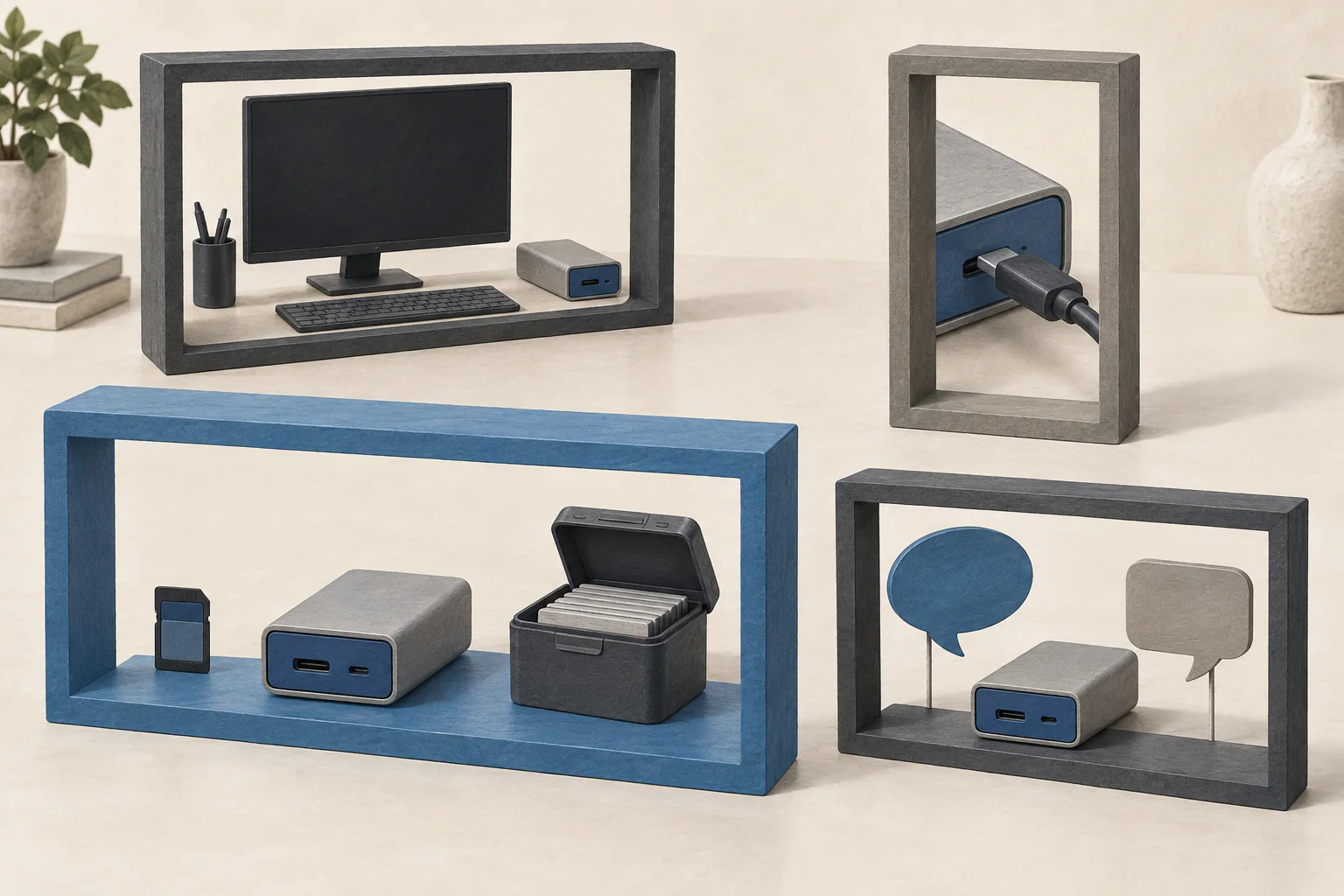
Suppose a brand sells a shared-storage device for small video-editing teams. The campaign goal is qualified demo requests. A qualified request means the prospect names their editing software, team size and current storage problem. This is an illustrative plan, not a customer case or performance forecast.
The product raises several questions. Can two editors work with the same files? What setup does the team need? What happens when a drive fails? Those questions cannot all fit into one brief mention without losing conditions that matter.
Primary deliverable. Commission a dedicated workflow tutorial from a creator who already teaches editing operations. The proposed lesson follows a project through ingest, shared editing and archiving. Ask the creator to show prerequisites and distinguish storage redundancy from a separate backup process. Have a product specialist verify technical statements before filming.
Supporting deliverable. Request a separate quote for a Short showing one visible workflow step. Its job is to introduce the problem and give interested viewers a tested route to more detail. Do not ask it to carry the full buying case. Record its results separately from the tutorial.
Before confirming either deliverable, give the creator a working test setup and time to find problems. Remove any demonstration the product cannot support under the stated conditions. If the creator cannot make the workflow clear in an outline, solve that problem before adding more formats.
The brand should compare tutorial retention, questions about setup and qualified demo requests. It should not declare the Short the winner because it has more starts. Equally, a detailed tutorial with few requests may reveal a poor audience match, a weak next step or a product that needs more explanation. The format alone does not settle the diagnosis.
Request a quote for the work
Ask for separate scope and fees for the primary video, any Short, extra filming, revisions and any reuse permission you want. A Short cut from existing footage still needs framing and editing decisions. A live session may avoid some editing while adding rehearsal and moderation work. Neither format label establishes the total effort or a fair price.
Every sponsored format also needs a disclosure plan. YouTube requires creators to identify paid promotions in video details, which adds a label at the beginning. YouTube also says creators and partners must meet applicable legal requirements. Confirm requirements for the campaign's markets separately; the platform setting does not resolve that review.
Send the creator a proposed viewer question, the evidence needed to answer it, the next action and the reporting request. Ask them which format fits their channel and what they would remove. Once you choose an integration, turn that agreement into a brief that leaves the rest of the video to the creator.