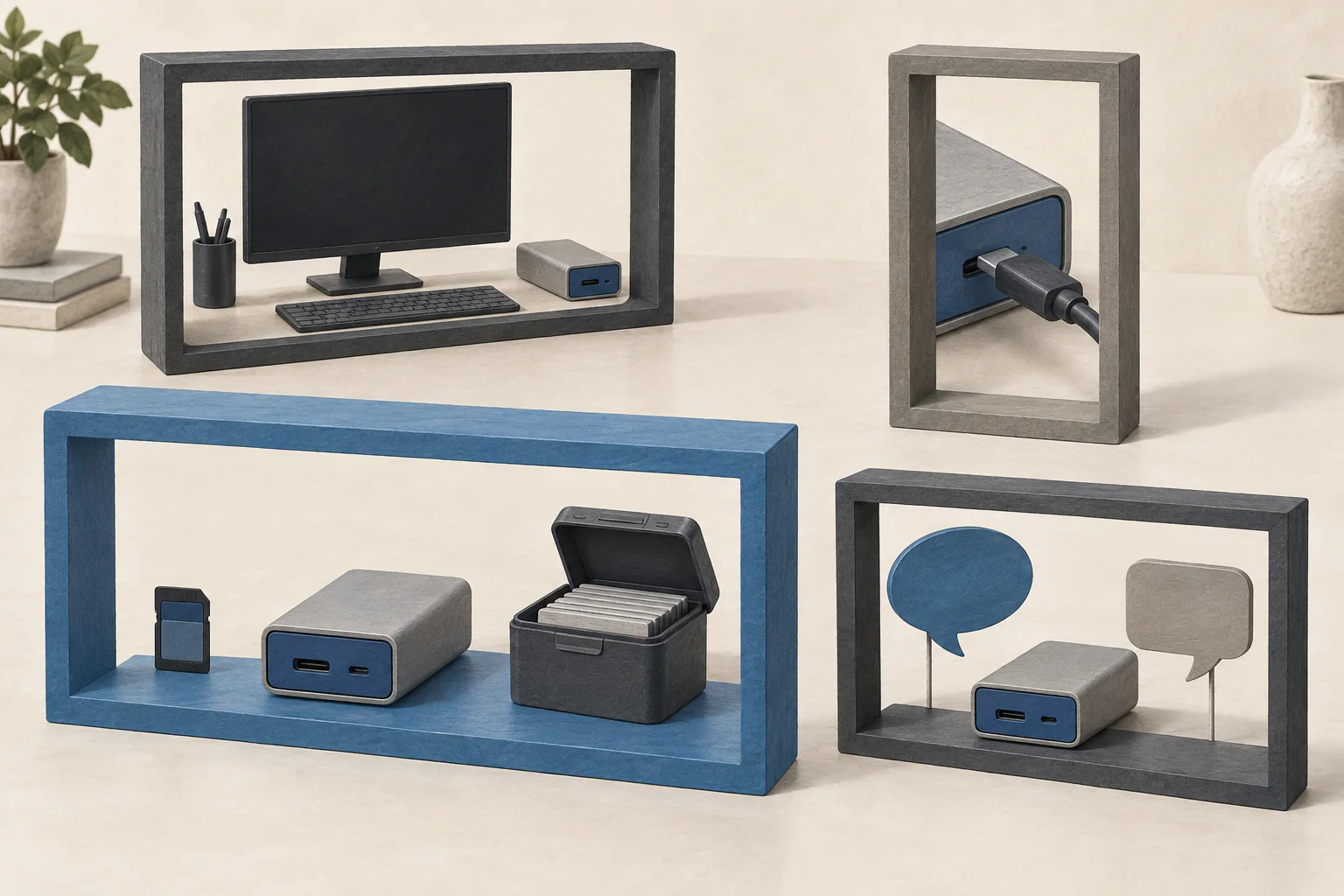





Brief the sponsored segment around four requirements: supported claims, a visible demonstration, clear disclosure, and one viewer action. Agree where the segment belongs, then leave the creator in charge of the larger video's topic, pacing, and voice. A YouTube sponsor integration brief should make those boundaries explicit before filming.
The practical test is whether a reviewer can identify a missed requirement without rewriting the creator's show. "The demonstration never shows the control" is actionable. "Make the whole video feel more premium" gives the creator no clear finish point.
Decide what you are buying
An integration is a paid segment within a larger video. Start by asking the creator for the video's working premise, its intended viewer, and a proposed entry and exit for the sponsor segment. You need enough context to judge fit; you do not need to prescribe every scene.
Modash's YouTube briefing article recommends discussing upcoming content and agreeing integration placement, length, talking points, and the call to action. Use that conversation to settle the boundary of the work.
Use the shared creator brief for campaign-wide facts, constraints, and review criteria. Add the integration-specific decisions below rather than repeating the whole campaign brief.
Write down three ownership decisions:
- The brand supplies verified product facts, claim limits, the destination link, and campaign requirements.
- The creator proposes the transition, demonstration treatment, wording, and return to the main video.
- Both parties agree the segment's position, duration range, delivery dates, and review scope before production.
These are recommended working arrangements, not YouTube rules. If the brand needs to direct the entire video, reconsider the deliverable using the sponsorship format decision guide.
Separate a factual requirement from a creative preference
Give every mandatory point a reason and a way to review it. Keep optional ideas in a separate section so they do not become surprise obligations.
| Requirement | Review evidence | Creator choice |
|---|---|---|
| Explain one supported feature | Spoken claim matches the supplied specification | Wording and analogy |
| Show how it works | Viewers can see the relevant action and result | Camera angle and setting |
| Identify the sponsorship | Disclosure is noticeable with the endorsement | Delivery consistent with the channel |
| Give one next step | Spoken action matches the description and destination | Transition into the action |
| Return to the main topic | Segment ends at the agreed editorial break | Closing line and next scene |
Avoid adding a feature because someone on the brand team wants a mention. Ask whether it helps viewers understand the demonstration or decide what to do next. If it does neither, remove it from the mandatory list.
Supply evidence for objective claims before asking the creator to repeat them. For US-facing endorsements, FTC guidance warns against claims that require proof the advertiser lacks. It also says creators cannot describe experiences they have not had or misrepresent their opinion.
A creator trying the product may find a limitation. Agree to discuss that finding, revise the proposed demonstration, or stop the placement. Do not require an invented success story to preserve the original script.
A worked integration brief
This is a hypothetical paid integration for a fictional desk lamp sponsor in a creator's home-office video. The product facts, timing, and review schedule are illustrative, not claims about a real lamp or recommended performance benchmarks.
Video and segment
The creator's video explains how they arrange a small desk. The sponsored segment begins when the creator reaches desk lighting and ends before they discuss cable placement. Agree a 60-to-90-second segment for this example. If the edit changes that transition or duration, discuss it before final review.
The creator owns the video's opening, title, thumbnail, other products, and overall conclusion. The brand reviews the sponsored segment and its immediate transition for agreed requirements and factual accuracy.
Viewer takeaway and demonstration
The viewer should understand how the lamp's brightness control works and where to find its specifications.
For this example, assume the brand has verified that the supplied model has three brightness settings. Show the creator switching through those settings on the actual unit. Keep camera exposure fixed during the demonstration so an editing or camera change does not stand in for a product change.
The creator can explain which setting they prefer after trying it. Do not request claims about preventing eye strain, improving concentration, or outperforming another lamp. No evidence for those claims is part of this hypothetical brief.
Disclosure and action
The creator identifies the lamp brand as the paid sponsor when the segment begins, using a spoken statement and readable on-screen disclosure. They also mark the video as containing paid promotion in YouTube Studio.
The closing action directs viewers to the first sponsor link in the description to see the lamp and its specifications. The destination is the exact model shown. The description names the sponsor and product beside that link. This example has no discount or expiring offer to explain.
Before filming, the brand supplies and tests the final destination. Before publication, the creator checks the saved description link. Use the YouTube description-link checklist to review that viewer path separately from the edit.
Review agreement
The creator sends the proposed segment beats before filming, then the segment cut with its entry and exit. One brand reviewer returns consolidated feedback within two working days in this hypothetical schedule.
Corrections cover unsupported claims, inaccurate product details, missing disclosure, an unclear demonstration, or the wrong destination. Requests to change unrelated scenes, add another feature, or rewrite the video's opening require a new discussion of scope and timing.
Put disclosure in the production requirements
YouTube requires creators to declare paid promotion in video details; its disclosure help page says that setting adds a label at the start of the video. Include the setting in the publishing checklist, alongside the disclosure filmed within the segment.
For US-facing campaigns, FTC guidance says a video endorsement needs disclosure in the video itself. It recommends making disclosures noticeable in both audio and visuals and warns against assuming a platform tool is enough. The worked brief uses both formats for that reason. Local requirements may differ; this is operational guidance, not legal advice.
Creative ownership does not limit platform obligations. YouTube's branded content policy applies to the whole video. The same policy prohibits inserting advertiser-created and supplied video ads as commercial breaks. Keep the creator-led integration distinct from a request to paste a finished commercial into the edit.
Review the segment without reopening the whole video
Watch the segment once as a viewer before leaving comments. Then check:
- Does the transition explain why this product appears at this point?
- Can a viewer recognize the paid relationship when the endorsement begins?
- Does each objective claim have supporting evidence for the model shown?
- Does the demonstration show the promised feature without a misleading edit?
- Are personal opinions and experience claims the creator's own?
- Do the spoken action, description, and destination agree?
- Does the segment fit the agreed position and duration?
- Does it return to the main video without adding new brand requirements?
Label each comment as a required correction or an optional suggestion. Cite the agreed requirement and the relevant moment. For example: "Required correction: the spoken line says four settings; the supplied model and specification have three. Please correct the line."
If several people need input, assign one accountable reviewer before sending the brief. Ask that reviewer and the creator to confirm the mandatory claims, demonstration, disclosure, action path, and review boundary before the shoot is booked.