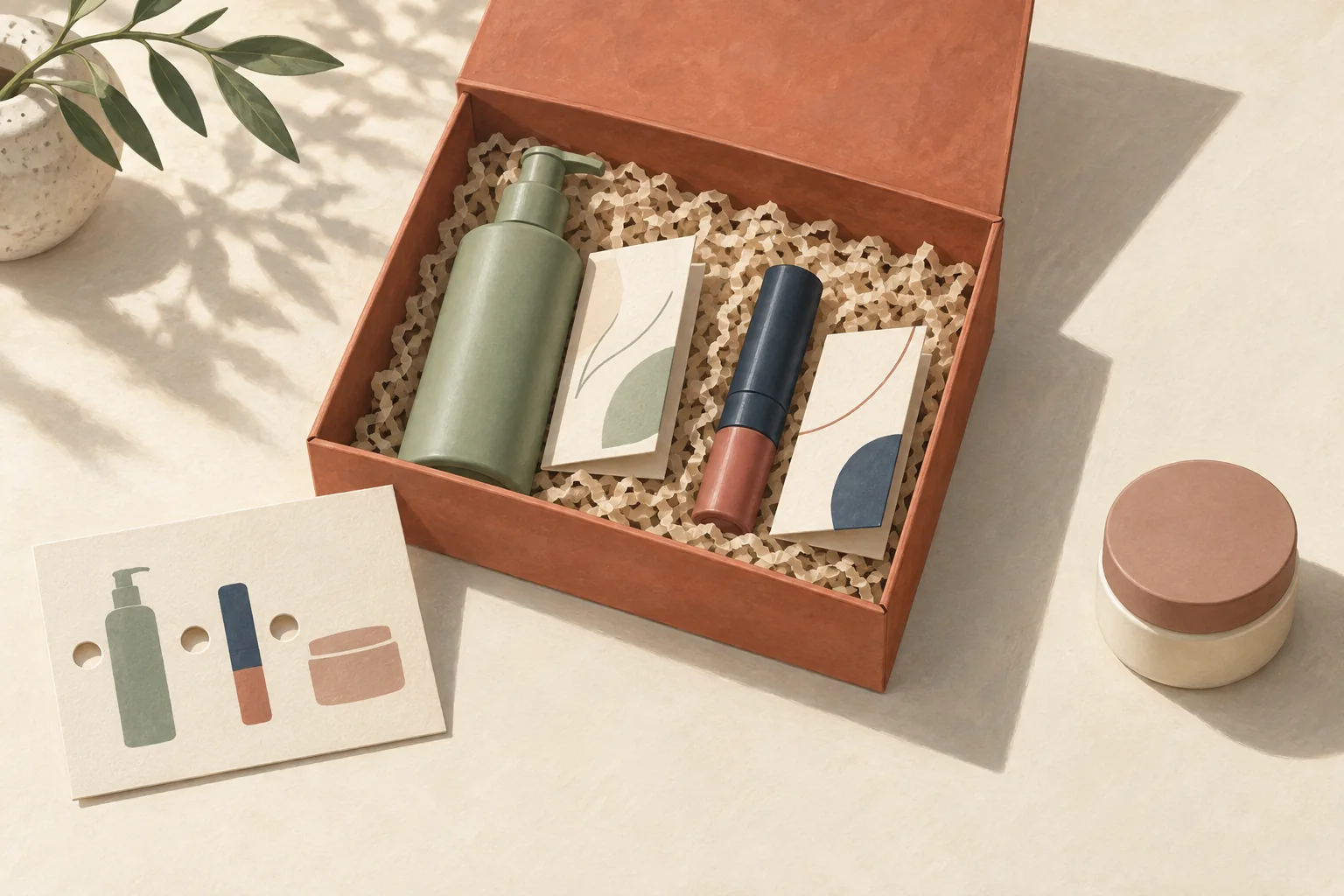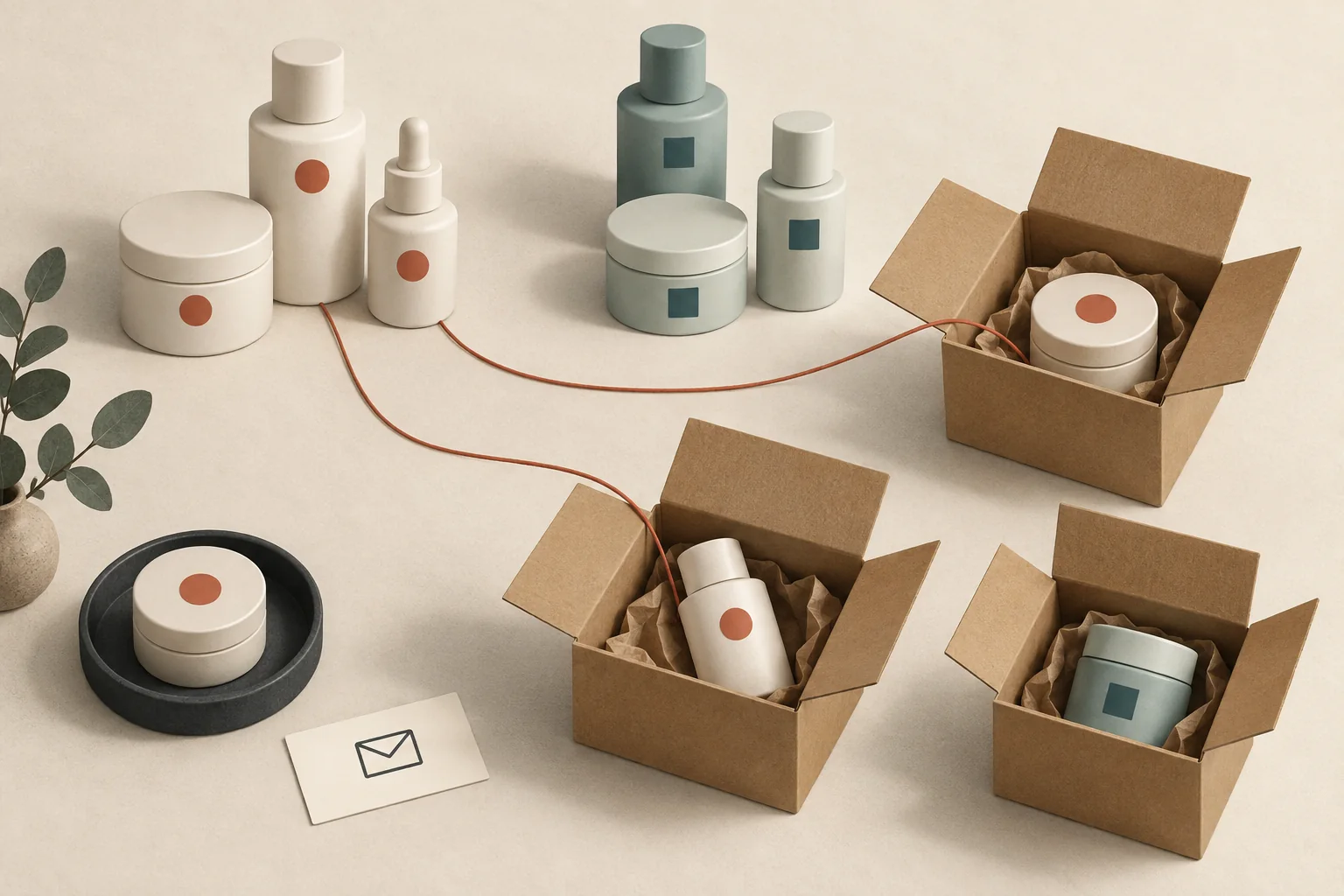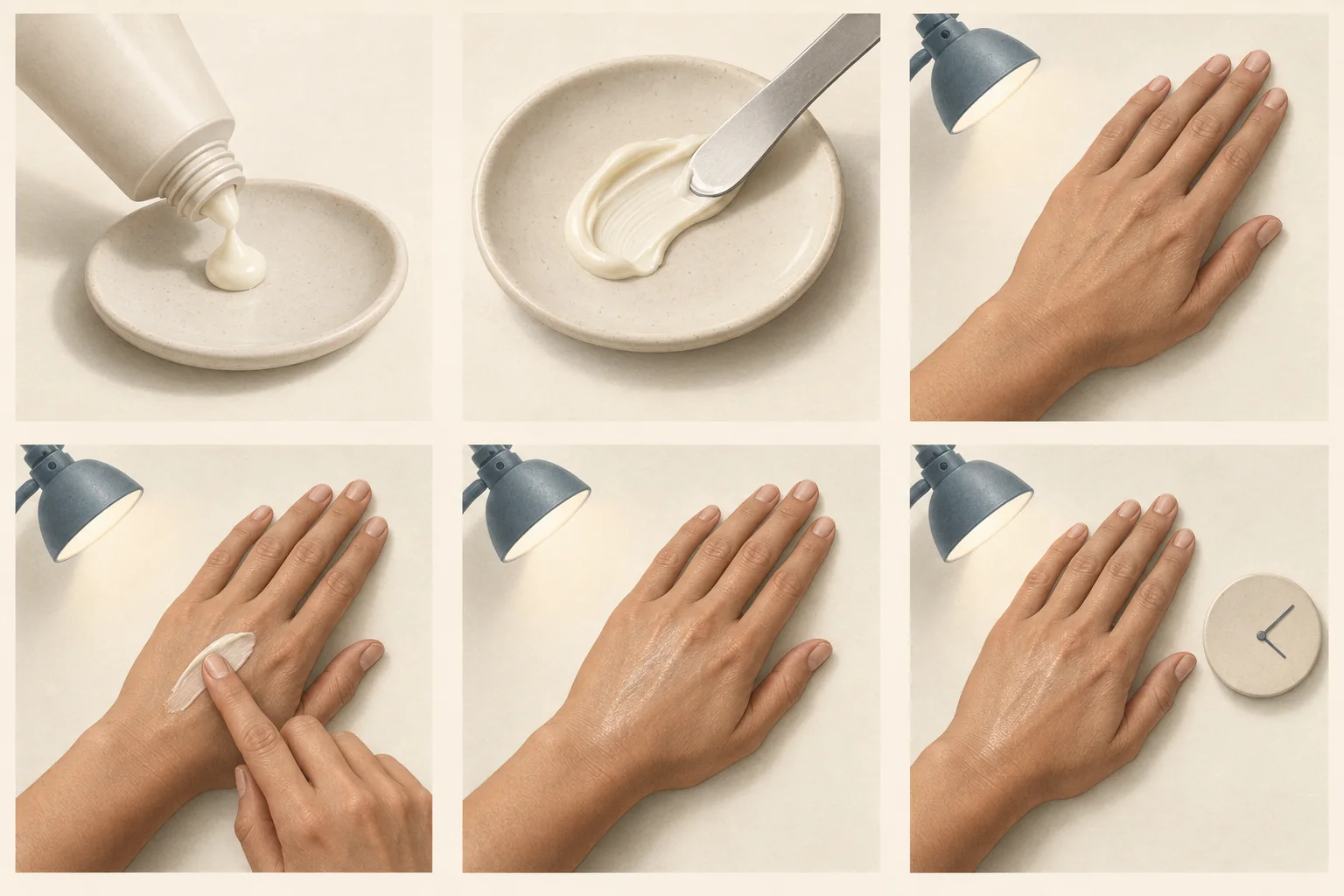




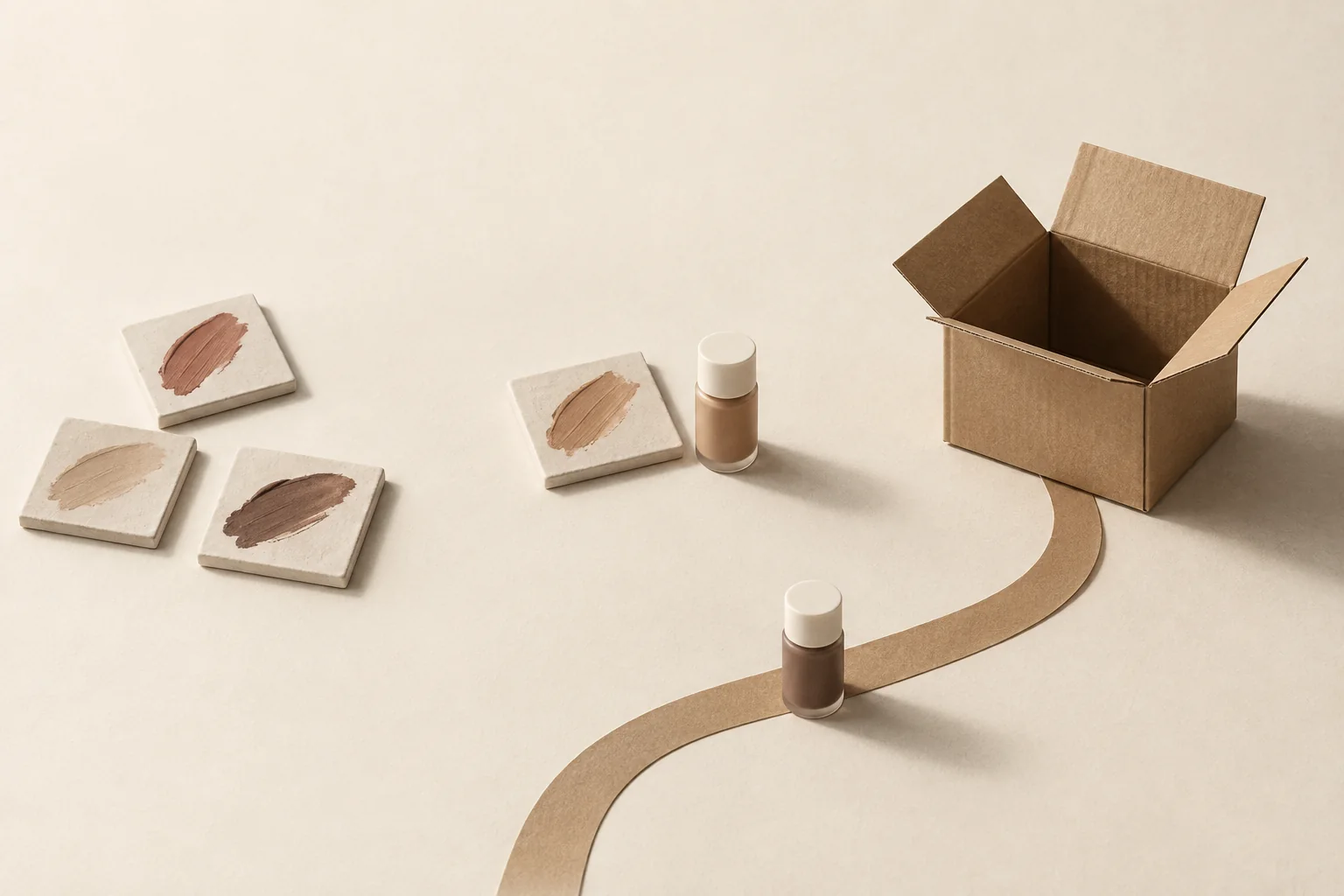
Let creators choose their shade from the manufacturer's current product references, then confirm the exact formula and shade before shipping. Give them a way to ask for help, wait for samples, or decline. Do not assign a shade by inspecting their profile photographs. Record their choice as a preference until they have tried the product.
For beauty shade matching in seeding, the useful output is a confirmed product selection. A creator's public image does not tell your team which shade they want to wear, what they already use, or whether they want a matching or contrasting effect.
Give the creator something specific to choose
Send the product page and shade guide for the formula you can supply. Include the available shade names or codes in text so the creator can reply without describing a color from memory. Check that your fulfillment team uses those same identifiers.
Fenty Beauty's manufacturer guide treats undertone and shade family as separate inputs. Its lighting advice recommends checking a shade in daylight or near a window. That supports giving the creator references and time to assess them. It does not establish that a campaign manager can identify someone's shade from a social post.
Use a direct operating rule: staff do not choose shades from profile photos, assign undertones, or use ethnicity as a substitute for a product choice. This is a recommended campaign practice, rather than a quoted platform requirement.
Ask what the product is for. A creator may want concealer for a close match or for a brighter effect. A lipstick selection may reflect a planned look. Let them state that goal without making them explain their appearance.
Modash's gifting article discusses offering creators a choice from a product catalog. Apply that principle to the stock you can send. If the creator's choice is unavailable, ask whether they prefer to wait, choose another item, or skip this shipment. Do not quietly replace it with the nearest shade in inventory.
Use a short preference request
Separate required fulfillment information from optional matching help. A useful form has these fields:
| Field | What to collect |
|---|---|
| Product | Exact formula or product line |
| Shade | Manufacturer's shade name and code |
| Selection status | Ready to ship, need help, wait, or decline |
| Intended use | Optional note about the look or application |
| Current reference | Optional brand, formula and shade they already use |
| Stock problem | Ask before substituting, wait, or cancel |
A current product reference can help the manufacturer's support team discuss options. Do not treat it as a verified one-to-one match with another formula. Ask the creator to confirm any proposed alternative.
You can open the request with this message:
Which product and shade would you like us to send? Please use the shade name or code in the manufacturer guide we shared. You can also reply "help choosing," "wait," or "pass." We will confirm availability before dispatch and ask before making any substitution. You do not need to send us a photograph. If the shade does not work after it arrives, contact this same team before preparing content so we can discuss the available next step.
State the actual exchange terms alongside the request. Name the contact, any deadline, whether opened products are eligible, who pays shipping, and what happens when a replacement is unavailable. Get those terms approved by the person who handles fulfillment before promising them.
Keep the shade form separate from a content agreement. Selecting a product should not silently add a posting obligation. Use the guide to distinguishing gifted beauty reviews from commissioned tutorials when the team needs to define what the creator has agreed to deliver.
Offer help without collecting a face photo
When someone is unsure, offer the manufacturer's shade chart, customer support, or samples if your program can supply them. Leave the shipment on hold while the creator decides.
Some manufacturers have an optional self-service route. Fenty Beauty's shade-finder landing page describes a mobile-only tool that uses a selfie. That is a choice the creator can make directly with the manufacturer. This article does not validate its accuracy.
Do not require creators to upload a photo to your campaign form to receive a gift. If they choose a manufacturer tool, ask them to send you the resulting product and shade selection. Your fulfillment team needs that selection, rather than a copy of their selfie.
Before dispatch, send a confirmation containing the formula, shade code, quantity, and agreed substitution rule. Require an affirmative reply when you have suggested a different shade. Silence leaves the shipment on hold.
Make a mismatch a fulfillment issue
A shade selected online can still be unsuitable once tried. Build a route for that outcome before sending the first parcel.
- Ask the creator whether they want help choosing another shade, a different eligible product, or to stop.
- Confirm the replacement against the manufacturer's current references and available stock.
- Explain the applicable return or disposal instructions. Do not ask the creator to pass an opened product to another participant.
- Record the original selection, the creator's reported mismatch, and the approved replacement separately.
- Reconfirm any affected content date with the creator. Do not ask them to conceal the mismatch to preserve the schedule.
Here is a hypothetical example using fictional shade codes. A creator selects formula A in shade N4. The team confirms N4 and ships it. After trying it, the creator reports that it looks too warm and requests N3. The record should say "N4 selected; creator reported too warm; N3 requested." It should not say "creator has cool undertones." Check the N3 request with the creator, then follow the agreed exchange terms.
Keep a reaction report out of the routine shade-exchange queue. Use a separate process for handling a creator report of a beauty product reaction, with the appropriate product-safety contact. A campaign coordinator should not diagnose the cause or recommend treatment.
Keep selection separate from endorsement
A confirmed shade preference is not evidence that a creator likes the product or has tested it. In the United States, the FTC's influencer disclosure guidance says endorsers cannot describe an experience with a product they have not tried. It also requires disclosure of relevant brand connections, including free products, when making an endorsement.
Platform rules can add requirements. TikTok's Branded Content Policy includes gifted products and requires its commercial content disclosure toggle. It also prohibits misleading product claims and lists cosmetics making medicinal claims among prohibited categories. Check the applicable market and any separate advertising requirements before publishing or boosting content. Refer treatment or regulated-claim questions to a qualified reviewer.
Before your next shipment, send one creator the preference request and confirm that the warehouse can fulfill their exact choice. If either the selection or the exchange terms remain unclear, hold dispatch until you have an answer.