



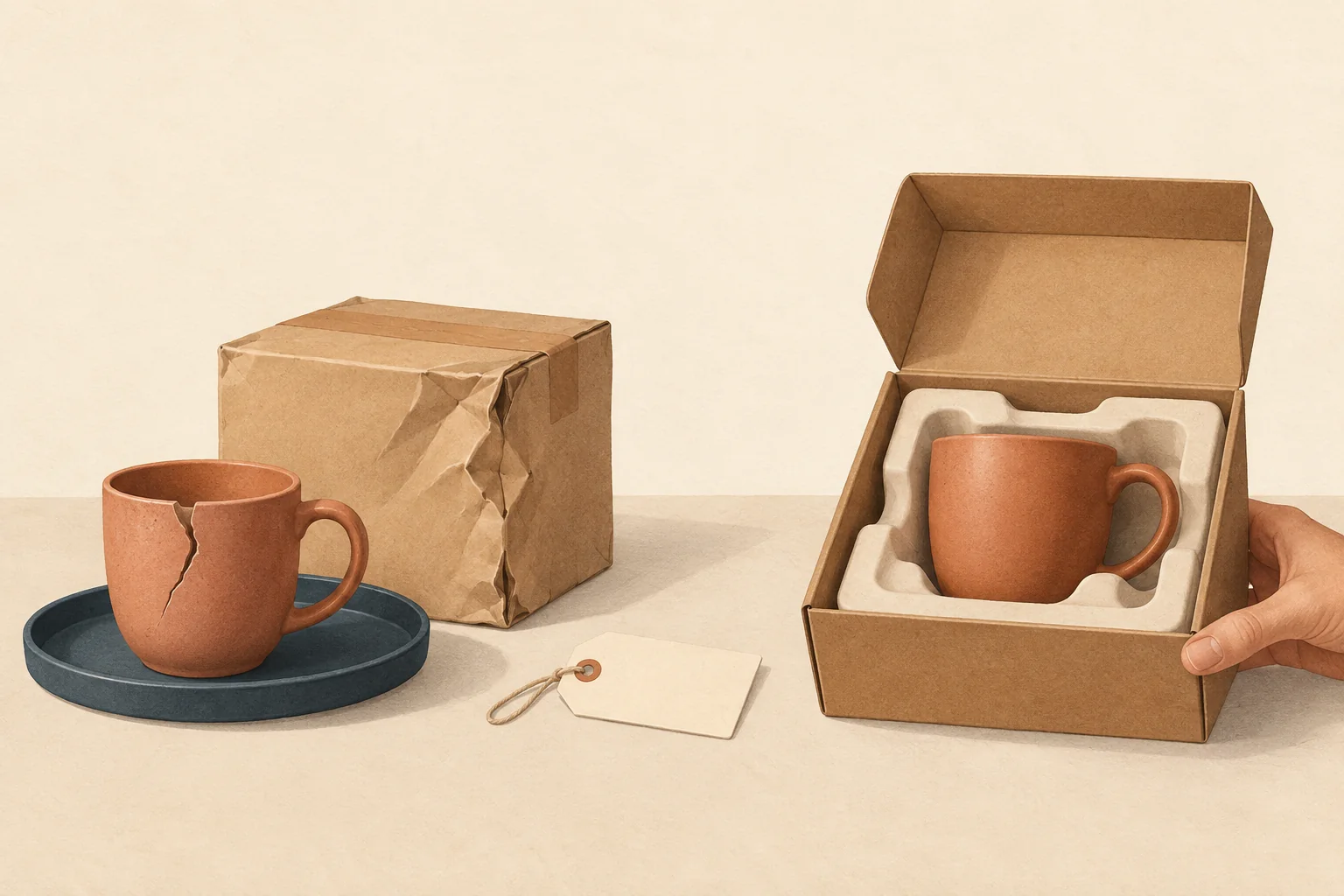
When a creator receives a damaged item, acknowledge the problem, pause any request to use or film it, and assign one person to resolve it. Offer a replacement without requiring praise, a post, or removal of criticism. Gather only the evidence needed to identify the shipment and damage, then handle the carrier claim separately from creator support.
The workflow below is a recommended operating policy for a seeding team. Carrier requirements and manufacturer instructions still depend on the shipment and product.
Send a support reply before discussing content
A damaged delivery gives the creator a problem they did not ask for. Your first reply should explain who will help and what happens next. Avoid asking whether they can hide the damage, film around it, or post after a replacement arrives.
Use this damage-response script after assigning a case owner:
I'm sorry your gift arrived damaged. Please pause using or filming the affected item while our product support team confirms the next step. You do not need to make a post to receive a replacement.
Could you tell us which item was affected and briefly describe what you noticed? If you already have photos, please send them through our support conversation. Please do not handle damaged contents just to take a photo.
Would you prefer a replacement, or would you rather receive nothing further? I'll keep this case with me and confirm the available option and timing once our team has checked it.
Add a real date for the next update before sending. Promise an update you can control; wait for fulfillment confirmation before promising an arrival date.
This support-first approach also fits Modash's advice on gifting follow-ups, which recommends checking receipt and asking for honest feedback without asking for content in that sequence.
If a separate paid agreement exists, ask its owner to review affected deliverables and dates. Do not assume that sending another product settles that agreement.
Separate damage assessment from product testing
Record what the creator reports without declaring the item safe from a photograph. A crushed outer box, a broken product, and an unexplained leak need different decisions.
| Report | Recommended next step | Avoid |
|---|---|---|
| Outer box damaged; product condition unknown | Ask what the creator has already observed; send the case to support if anything is uncertain | Asking them to demonstrate that it still works |
| Product visibly broken | Open a replacement case and obtain product-specific handling instructions | Asking for an unboxing reshoot |
| Leak, unusual heat, battery concern, or other possible hazard | Escalate to the product safety contact before requesting handling or return | Improvised cleanup, disposal, charging, or return instructions |
| Cosmetic damage only, confirmed by product support | Offer the remedy your policy allows and let the creator decline another shipment | Treating acceptance as a promise to post |
Manufacturer guidance matters. For example, Apple's iPhone safety instructions say to stop using an iPhone if damage to the device or battery is suspected. They also warn against using an iPhone with cracked glass. Those are instructions for that product, not a universal handling guide for everything in a seeding kit.
Have support identify the exact item and send its manufacturer's applicable instructions. Marketing staff should not invent a storage temperature, shelf-life extension, cleanup method, or safe-return procedure.
Collect evidence without turning the creator into a claims clerk
Find the original shipment record yourself. Ask for missing information once, rather than sending requests from marketing, the warehouse, and customer support independently.
A useful case record contains:
- Original order reference and tracking number.
- Affected item and quantity.
- Date the creator reported the damage.
- Their short description of what arrived.
- Existing photos, or photos that support confirms can be obtained safely.
- Replacement preference and the staff member responsible for the next update.
Check the carrier's current requirements before requesting more evidence. For example, the UPS US claims page asks claimants to retain damaged contents and packaging, along with tracking details and an invoice that establishes value. That supports preserving evidence where safe. It does not justify telling a creator to keep handling a hazardous item. Resolve any conflict with the manufacturer's safety team and carrier.
Keep the carrier claim and replacement approval as separate tasks. As a service policy, allow an authorized employee to approve a supported damage case before reimbursement arrives. Record the expense against the original shipment so the replacement does not look like a new creator gift.
For address confirmation, use your existing private collection process. Avoid asking the creator to post a shipping label in a public comment. Where UK GDPR applies, the ICO's data-minimisation guidance ties collected information to the stated purpose. The page is under review following legislative changes. As an operating practice, ask only for details needed to resolve this shipment. Use the creator shipping-details collection guide when setting up that request.
Approve the replacement with a short checklist
Give the approver enough information to release a replacement without reopening the whole campaign discussion.
- Confirm the case belongs to an existing shipment and no replacement is already in progress.
- Confirm the creator wants another item.
- Identify the replacement SKU, quantity, and available stock.
- Record who can approve its product and shipping cost under your internal budget rules.
- Resolve any product safety concern before repeating the shipment.
- Confirm the delivery details through your private process.
- Record the original item's handling or return decision from the responsible support team.
- Assign the next creator update and the person who will send it.
- Confirm that approval has no posting, praise, or deletion condition.
If the original item is unavailable, get agreement before changing it. The guide to asking before substituting a gift covers that separate decision.
For a cross-border replacement, have fulfillment check the actual route before promising dispatch or charges. This checklist does not establish customs treatment or permission to ship a particular product.
Keep the replacement separate from an endorsement
Under the US FTC's influencer guidance, free products create a relationship that creators should disclose when endorsing the brand. Their statements must also reflect genuine experience. The guidance can apply to posts made abroad when an effect on US consumers is reasonably foreseeable.
Our recommended replacement policy follows that boundary: approve support without requiring a favorable opinion. Do not ask the creator to delete an accurate damage report as the price of receiving an intact product. A replacement should not add a content obligation to a no-obligation gift.
If the creator later chooses to post, remind them to disclose the gifted relationship and describe their actual experience. Avoid drafting praise for them. Use follow-up wording that does not demand a post for the later delivery check.
Close the case when the agreed remedy is complete, or the creator declines it. Keep any unresolved carrier claim assigned internally. Before authorizing the next replacement, name its owner, confirm the creator's preference, and remove every content condition from the approval message.