



Before approving beauty before-and-after influencer content, check that both images show the same person under comparable conditions. Verify lighting, camera position, preparation, elapsed time and editing. Then check whether the brand has evidence for the result the images imply. Hold the asset if either the comparison or the claim lacks support. Refer treatment, safety and regulated efficacy questions to qualified reviewers for the intended market.
A genuine photograph can still produce a misleading comparison. In UK CAP guidance on before-and-after photos, advertisers need evidence for the impression the images create. Removing the words "before" and "after" does not remove that impression.
The workflow below is an editorial recommendation. The regulatory examples concern UK non-broadcast advertising and US product classification. Platform rules have their own scope.
Write down the claim before judging the pictures
View the complete asset once, including the thumbnail, transition, voiceover and caption. Write one sentence describing what a viewer would think the product did.
Distinguish an immediate makeup demonstration from a result claimed after repeated use. A foundation application might show coverage while the product is on the skin. A sequence presented as lasting skin improvement asks the viewer to draw a different conclusion. A caption about application cannot repair a visual sequence that suggests treatment.
Record the intended country, platform and placement beside that sentence. A creator post approved for one use should receive another review before it becomes a paid ad.
For example, TikTok's misleading-content advertising policy prohibits product-effect comparisons that create false or distorted impressions. It specifically lists a cream comparison showing wrinkles disappearing among its prohibited examples. Matching the lighting does not establish that a particular TikTok ad is permitted.
Use a comparison-integrity checklist
Ask for original files and a short capture record with the first submission. Mark each row as confirmed, correction needed or unknown. Treat unknown conditions that affect the visible result as a reason to hold approval.
| Check | What to compare | When to hold |
|---|---|---|
| Subject and area | Same person, same side and same area shown | Different cheeks, angles or body areas presented as a direct pair |
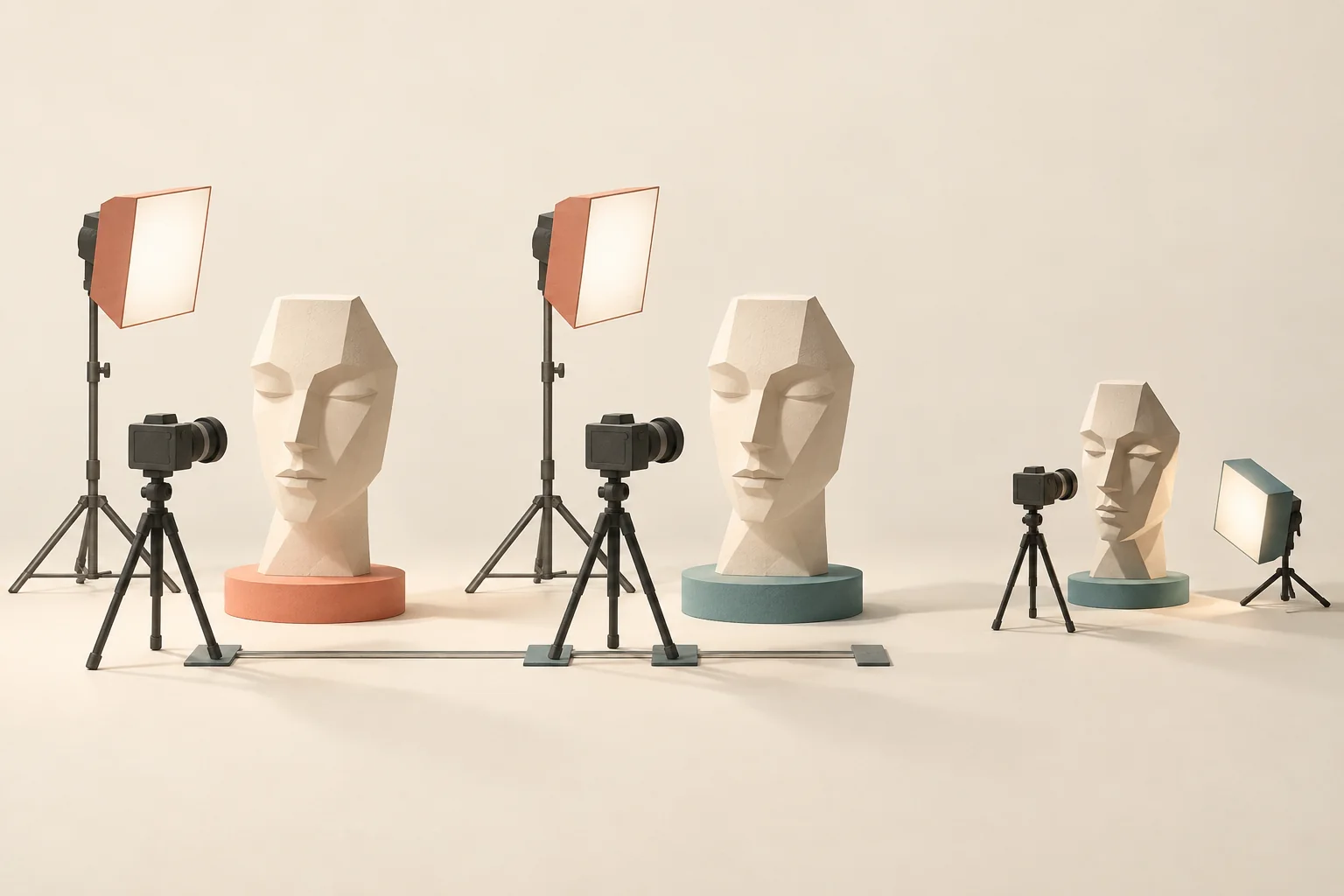
| Lighting | Light source, direction, distance and background | Softer light or a new light position changes the apparent texture |
| Camera | Device, lens, distance, height, exposure and white balance | A change makes detail or color difficult to compare |
| Preparation | Makeup, skincare, styling, wetness and other products | The after shot adds unrecorded preparation that could explain the difference |
| Pose | Expression, head position and hair placement | A stretched pose or changed expression alters the feature being compared |
| Timing | Capture dates, elapsed time and time since application | The sequence implies an immediate result after a longer interval |
| Editing | Originals against the final crop and export | Retouching, smoothing or unequal processing changes the claimed result |
| Attribution | Product used, application method and other relevant changes | A multi-product routine becomes a claim for one product |
| Claim support | Visual impression against the approved evidence | The picture promises more than the evidence covers |
This is a production checklist, not a clinical study protocol. Matching conditions helps a reviewer identify differences; it does not prove what caused them.
CAP's guidance calls for signed and dated proof that comparison photos are genuine and unmanipulated. It also warns about production techniques used only in the after image. Keep the originals, capture record and edit history together rather than relying on a creator's final export alone.
If the camera moved between shots, ask whether the original footage contains a genuinely comparable pair. Do not darken the before image or smooth the after image to make the comparison look consistent. Request a reshoot when material differences remain. For a closer review of beauty effects and retouching, use the filter-review guide.
Plan a matched-condition storyboard
Here is a hypothetical foundation demonstration. It shows how to plan capture conditions; it makes no claim about a real product's coverage, safety or wear time.
The proposed visual claim is limited to the appearance immediately after this application. The brand's qualified reviewer still needs to decide whether the footage and wording have adequate support.
| Shot | Planned capture | Review note |
|---|---|---|
| Setup record | Photograph camera and light positions; record device settings | Keep this with the originals, outside the published sequence |
| Before | Front-facing view with a neutral expression and agreed skin preparation | Record every product already applied |
| Application | Show the featured foundation and application method | Record any additional products or tools that affect the result |
| After | Repeat the same framing, lighting and expression after application | Record the actual interval; avoid suggesting a wear test |
| Final pair | Use corresponding crops at the same scale | Preserve visible texture and check the exported file |
Suppose, in this hypothetical shoot, sunlight enters through a window before the after shot. The reviewer should request a new matched pair under controlled light. A note saying the lighting changed leaves the viewer trying to judge two different conditions.
Suppose the creator adds concealer between application and the after shot. The team can assess a clearly described combined-product demonstration, or request a foundation-only reshoot. It should not silently credit the combined result to the foundation.
A longitudinal skincare sequence needs a different plan. Record the actual dates, use pattern and relevant routine changes. Ask the qualified reviewer what the evidence permits before setting the timeline. Never invent a test duration to make the storyboard look scientific.
Separate file integrity from claim substantiation
One reviewer can confirm that files match the capture record. A qualified claims reviewer must assess whether the evidence supports the implied product result.
For a real product, request the manufacturer's current specification, directions and substantiation for the exact formulation and claim. Have that reviewer check whether the evidence covers the result, timing, use conditions and audience implied by the asset. A specification sheet alone may describe intended use without substantiating a performance claim.
In the United States, FDA explains that intended use determines whether a product is a cosmetic, a drug or both. Disease-treatment claims and claims about body structure or function can establish drug intended use. Send those questions to the brand's regulatory reviewer, with scientific or medical input where needed. An image reviewer should not decide that an apparent change proves treatment efficacy or product safety.
Use the supportable beauty-claims planning guide to assemble the claim brief before requesting content. If the issue lies in treatment wording, refer to the cosmetic-versus-treatment language guide.
Give a specific approval decision
Choose one outcome for the submitted version:
- Approve only when the comparison, supported claim and intended placement have cleared their respective reviews.
- Return for correction when a removable caption, crop or sequencing issue caused the problem. Review the revised export again.
- Request a reshoot when capture conditions prevent a fair comparison.
- Hold for specialist review when substantiation, classification or safety questions remain unresolved.
Do not add a disclaimer as the default fix. CAP's guidance says a qualification cannot rescue an inherently misleading advertisement.
Creative direction can remain flexible within these constraints. Modash's beauty collaboration guide discusses creative freedom in creator briefs. Set comparison conditions before shooting, then leave room for the creator's delivery and visual style.
For the next submitted pair, write down the implied claim, complete the checklist and send back the first unresolved condition. Name the file version, required correction and reviewer who can clear it.