



Before filming, a TikTok creator should understand the audience's problem, the product fact they can demonstrate, and the action the viewer should take. Write those into the brief, along with claims, disclosure and delivery requirements. Let the creator choose how to introduce the problem in their own voice.
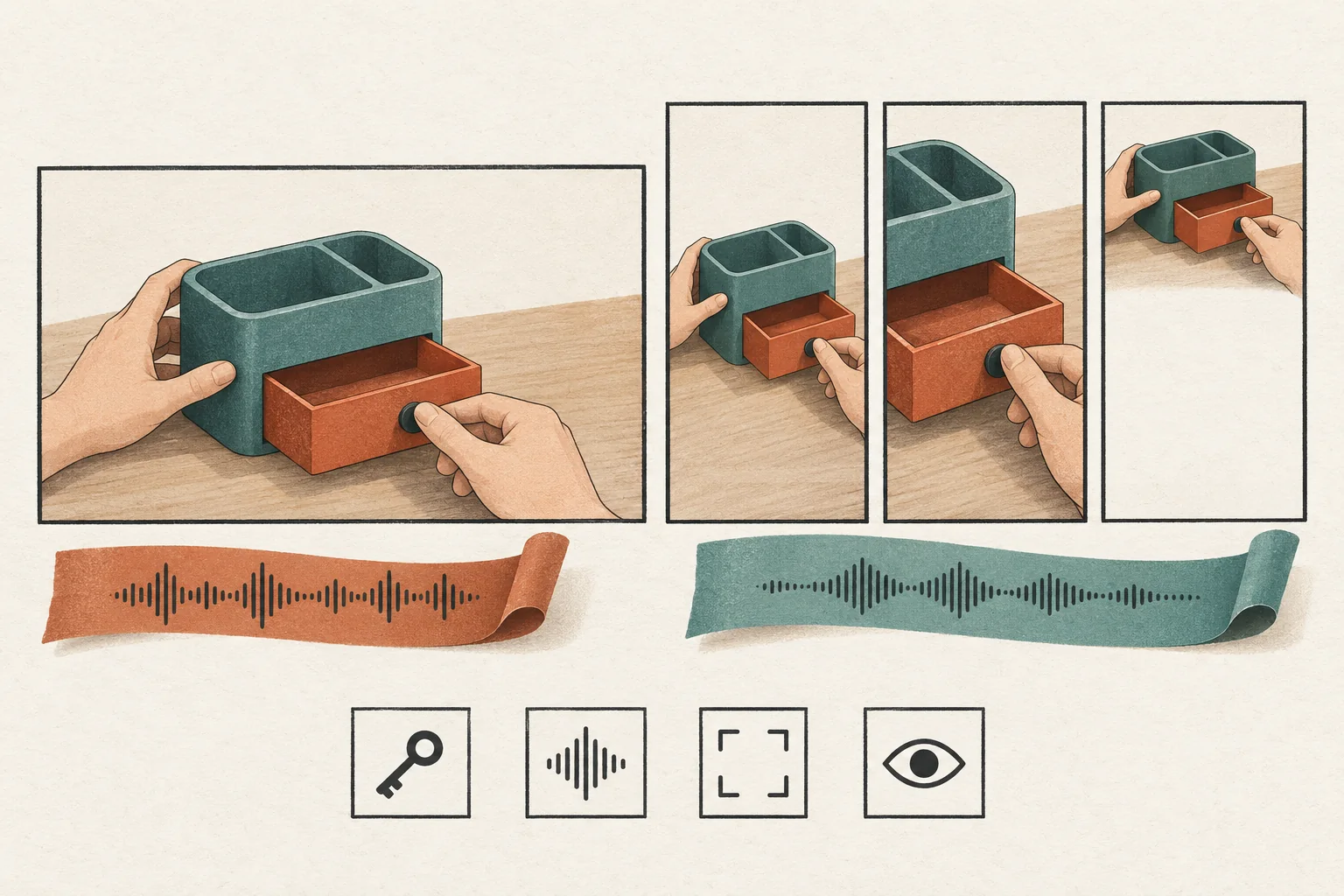
The first explanation is the moment a viewer understands why the product is in the video. A hook can earn attention without explaining anything. Your TikTok influencer brief needs to connect that opening to something the viewer can see and understand.
Use the shared creator brief structure for deadlines, responsibilities and approval terms. Add the TikTok-specific filming decisions below rather than building another long brand presentation.
Decide what the viewer needs to understand
Write a sentence that connects a situation to a visible product function. Avoid starting with a list of features or a required opening line.
For a hypothetical cable-organizer pouch, the first explanation could be:
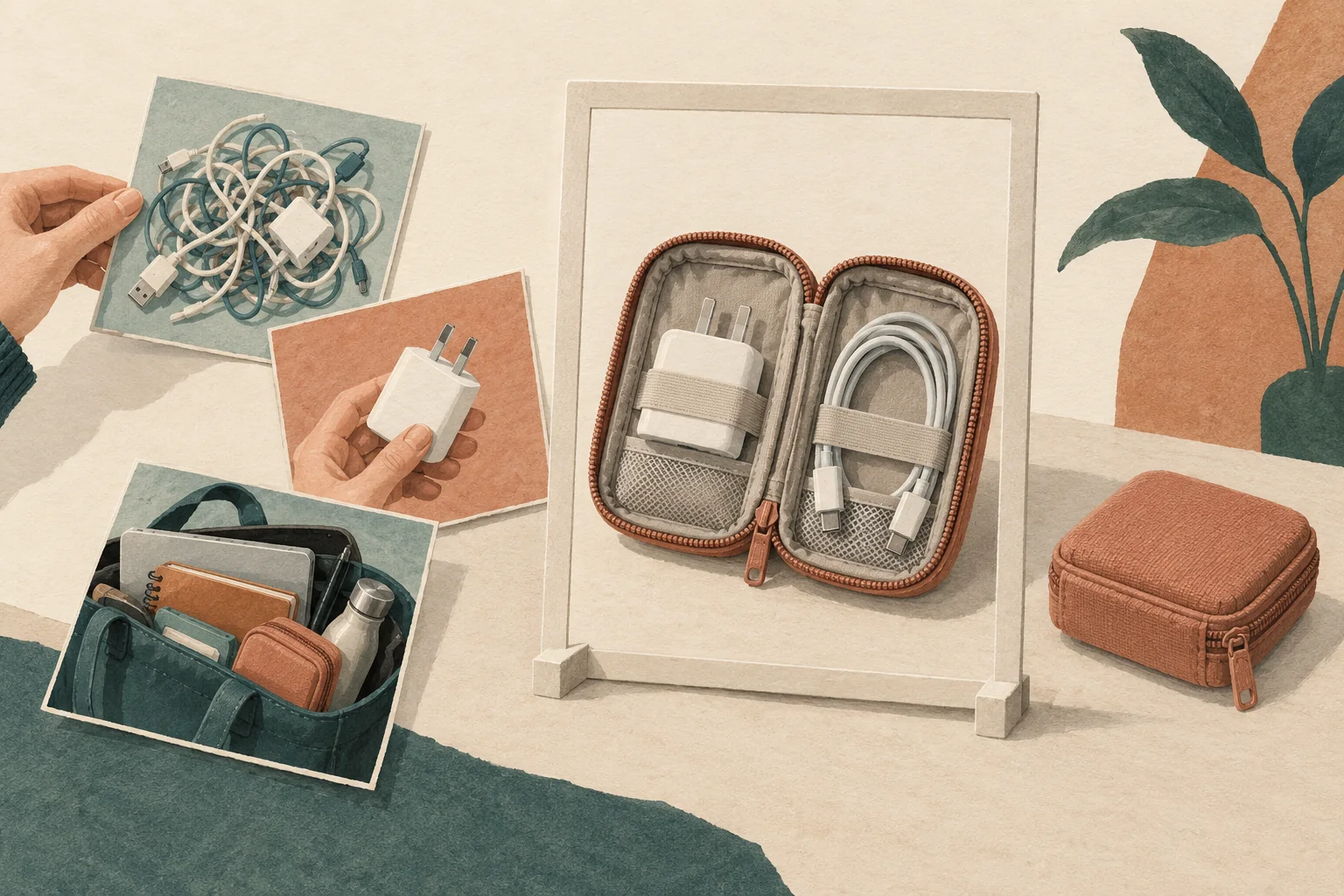
Someone who works away from home needs to find their charger without unpacking every cable. This pouch opens flat so they can see the separate compartments.
That gives the creator a problem and a demonstration. It does not require them to pretend they regularly lose chargers or love a product they have never used.
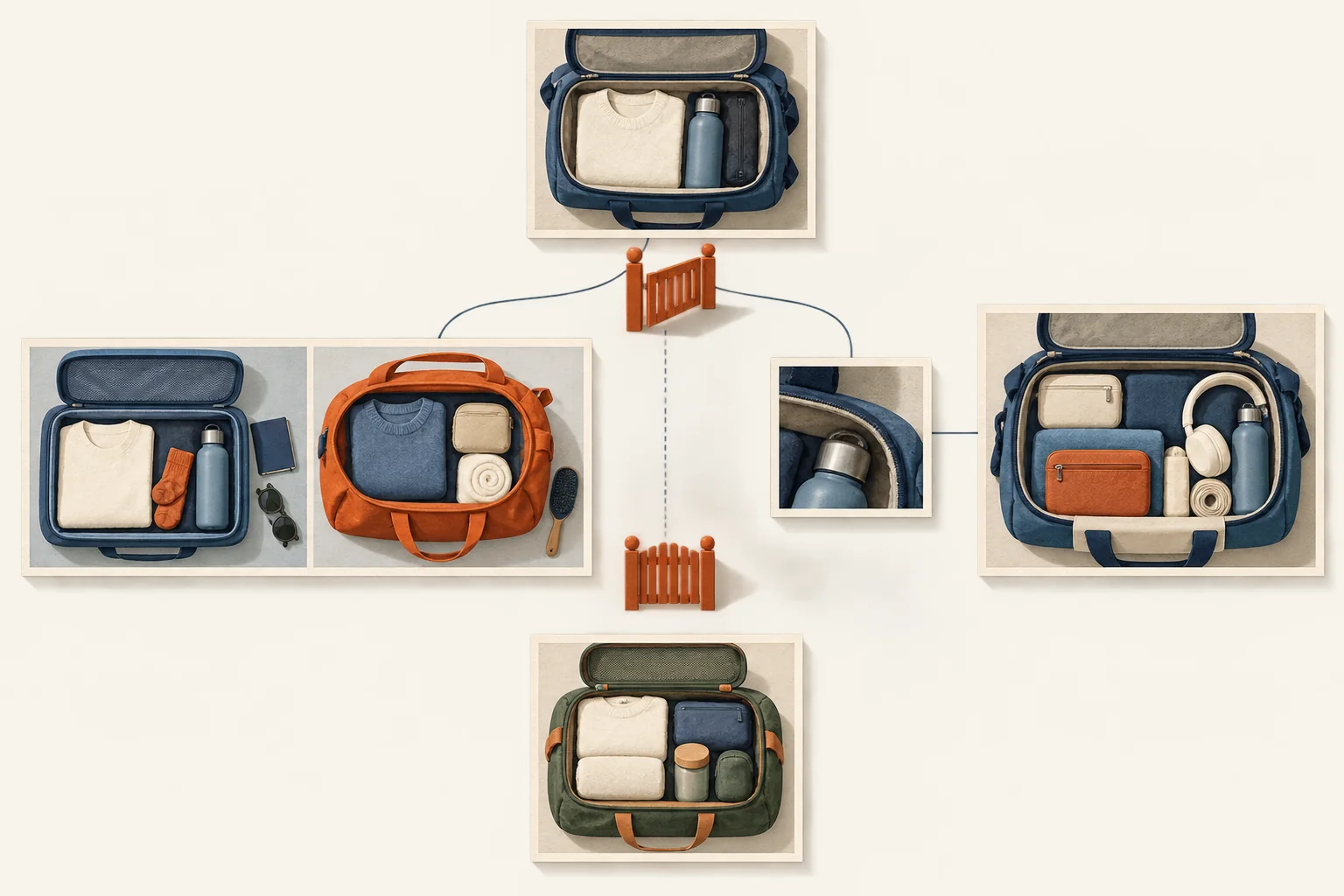
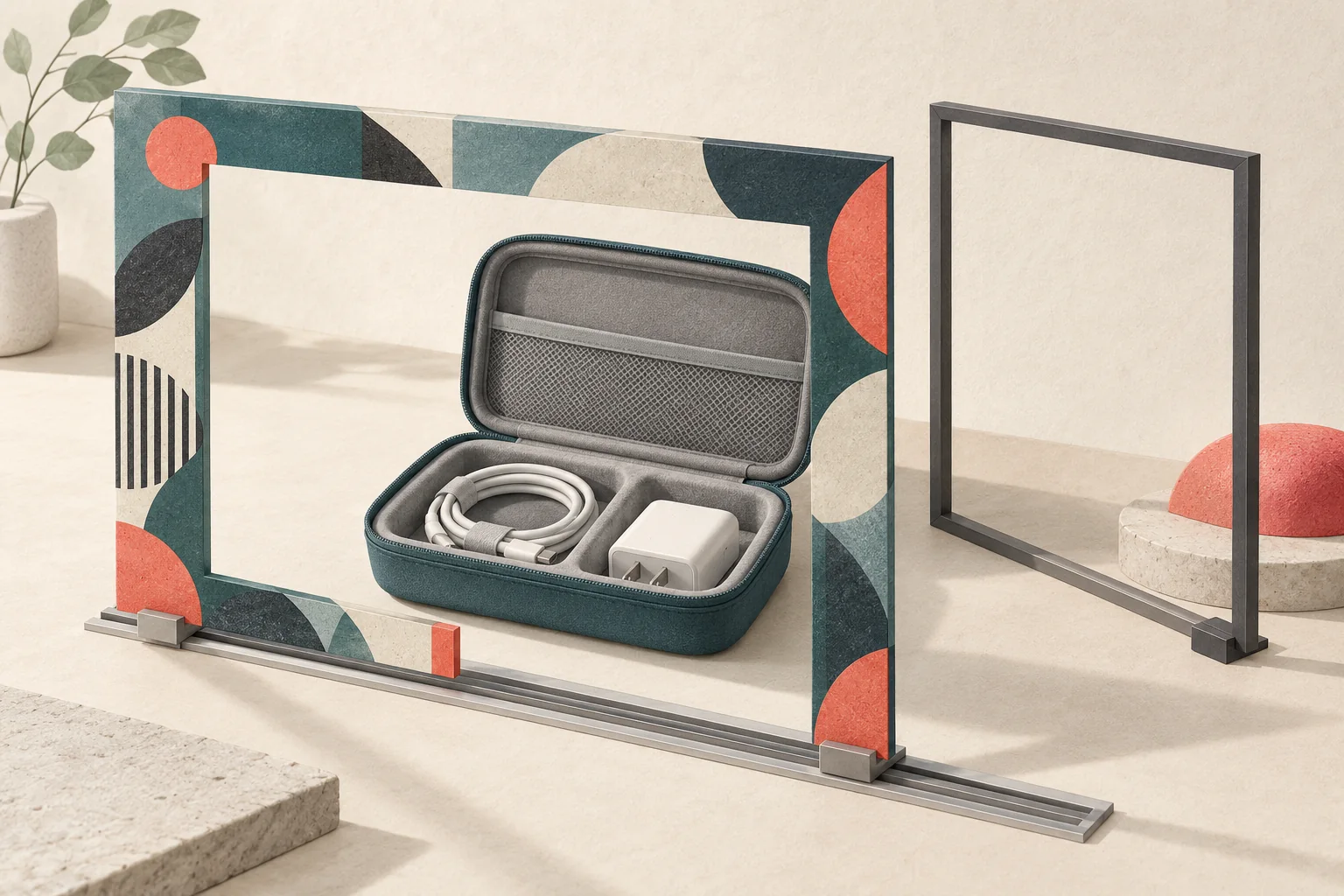
Give the creator the sample before they finalize the concept. Ask them to check whether the demonstration works with their own belongings. If the charger does not fit, revise the concept or stop the collaboration. Do not ask for a tighter camera crop that conceals the problem.
TikTok's performance-ad guidance recommends an early proposition, a hook, product selling points and a clear call to action. It recommends introducing the proposition within the first three seconds. Treat that as guidance for ads, rather than a universal deadline for every organic post.
Our recommendation is to approve the meaning of the opening while leaving its delivery to the creator. Modash's TikTok briefing article also recommends focused requirements and concept agreement before filming, with room for the creator's own approach.
A worked brief for a pouch demonstration
The following is a hypothetical paid collaboration aimed at U.S. viewers. The product, schedule and deliverables are illustrative. Assume the brand and creator have checked the physical sample together and confirmed that it opens flat and holds the items shown. The chosen duration is a planning choice, not a TikTok performance benchmark.
Mandatory elements
| Brief field | Instruction for this hypothetical collaboration |
|---|---|
| Audience situation | People packing charging accessories for a workday away from home. |
| Viewer takeaway | Opening the pouch flat lets the viewer see where each demonstrated item goes. |
| Product demonstration | Show the empty compartments, pack the creator's charger and cable, close the pouch, then reopen it. |
| Claim limit | Describe what this sample holds. Do not claim it fits every charger, prevents cable damage or saves a measured amount of time. |
| Intended action | Ask viewers to save the packing sequence for their next workday away from home. |
| Deliverable | One vertical 9:16 TikTok video, planned for 20 to 35 seconds, with readable captions. |
| Disclosure | Identify the paid relationship in the video and enable TikTok's commercial-content disclosure setting for third-party branded content. |
| Sound | Use the creator's own speech, with no background music, for this version. Check that the recording does not pick up music nearby. |
| Placement | Keep the pouch opening and disclosure clear of the caption area and interface controls. Check the draft on a phone. |
| Review | Send a concept before filming. Send the draft by October 12, 2026; the brand returns one consolidated review by October 14. Publish October 16 after approval. |
| Owner | The campaign manager who sends this brief returns the approval and resolves product questions. |
| Use | This example covers the creator's organic TikTok post. Paid amplification, reposting and extra edits require a separate discussion before use. |
Optional elements
The creator can choose a desk, kitchen table or bag-packing setting. They can open with a close-up of tangled cables, a spoken question or the packed pouch opening flat. These are prompts, not required shots.
They can use direct-to-camera speech or a voiceover. They can include a joke if it fits their usual work. They should choose the opening words, editing rhythm and shot order, provided the viewer can follow the demonstration.
Keep optional ideas outside the mandatory table. Otherwise a reviewer may turn every suggestion into a correction.
Check what the opening promises
Ask the creator to send a short concept describing the opening, the demonstration and the ending. Review the connection between them before requesting a script.
For the hypothetical pouch, an opening about packing for a library work session leads naturally to the demonstration. An opening that promises to stop cables breaking introduces a durability claim the brief does not support. A joke about messy bags can work if the pouch's function becomes clear after it.
Use these questions to make the decision:
- Does the opening name or show the audience situation?
- Can the planned demonstration support the takeaway without hiding a limitation?
- Does the ending request the action in the brief?
- Can the creator make it without claiming an experience they have not had?
Return specific feedback. Ask to remove an unsupported durability claim or show the compartment before packing it. Avoid rewriting a creator's ordinary phrasing merely because your brand presentation uses different words.
Put disclosure and sound in the filming plan
TikTok requires the content disclosure setting for posts promoting a brand, product or service. A creator posting branded content for another business receives the Paid partnership label. Include that requirement before filming; check the selection again before publishing. The disclosure-setting guide covers that publishing step in more detail.
For the U.S.-directed example, the FTC's influencer guidance says video disclosures belong in the video itself. It advises against assuming a platform tool alone is enough. Both spoken and visible disclosure help viewers notice the relationship. Plan space for it in the opening, rather than adding it beneath captions after approval. Review local requirements separately for other markets.
Sound also needs a decision before filming. TikTok recommends music from its Commercial Music Library for commercial posts. Its licenses for music outside that library do not cover commercial use. Original or non-library audio requires the Music Usage Confirmation concerning protected music and necessary licenses. Calling a sound original does not establish that all its music is cleared.
If music matters to the concept, check the proposed TikTok audio before approval. Avoid making a trend mandatory before anyone checks its permitted use.
Ask the creator to explain the brief back
Before authorizing filming, ask the creator to describe who the video helps, what the viewer will see the product do, and what they will ask viewers to do next. Confirm the claims and disclosure plan alongside that explanation.
If those answers match the brief, approve the concept and let the creator film. If they do not, fix the brief before requesting footage.