



Choose a beauty creator who can show the product's application clearly, describe what happens during use, and explain removal when it matters. Judge those skills through their published demonstrations and relevant product experience they choose to share. A follower count, polished portrait or guessed skin condition cannot establish demonstration fit.
For beauty influencer selection, define the shopper's unanswered question before reviewing creators. A mascara tutorial may need a visible application sequence and an end-of-day check. A fragrance demonstration needs a creator who can describe their own sensory experience without presenting it as universal. These require different evidence.
Define the demonstration before the shortlist
Write one sentence that completes this prompt: "After watching, a shopper should understand how to..."
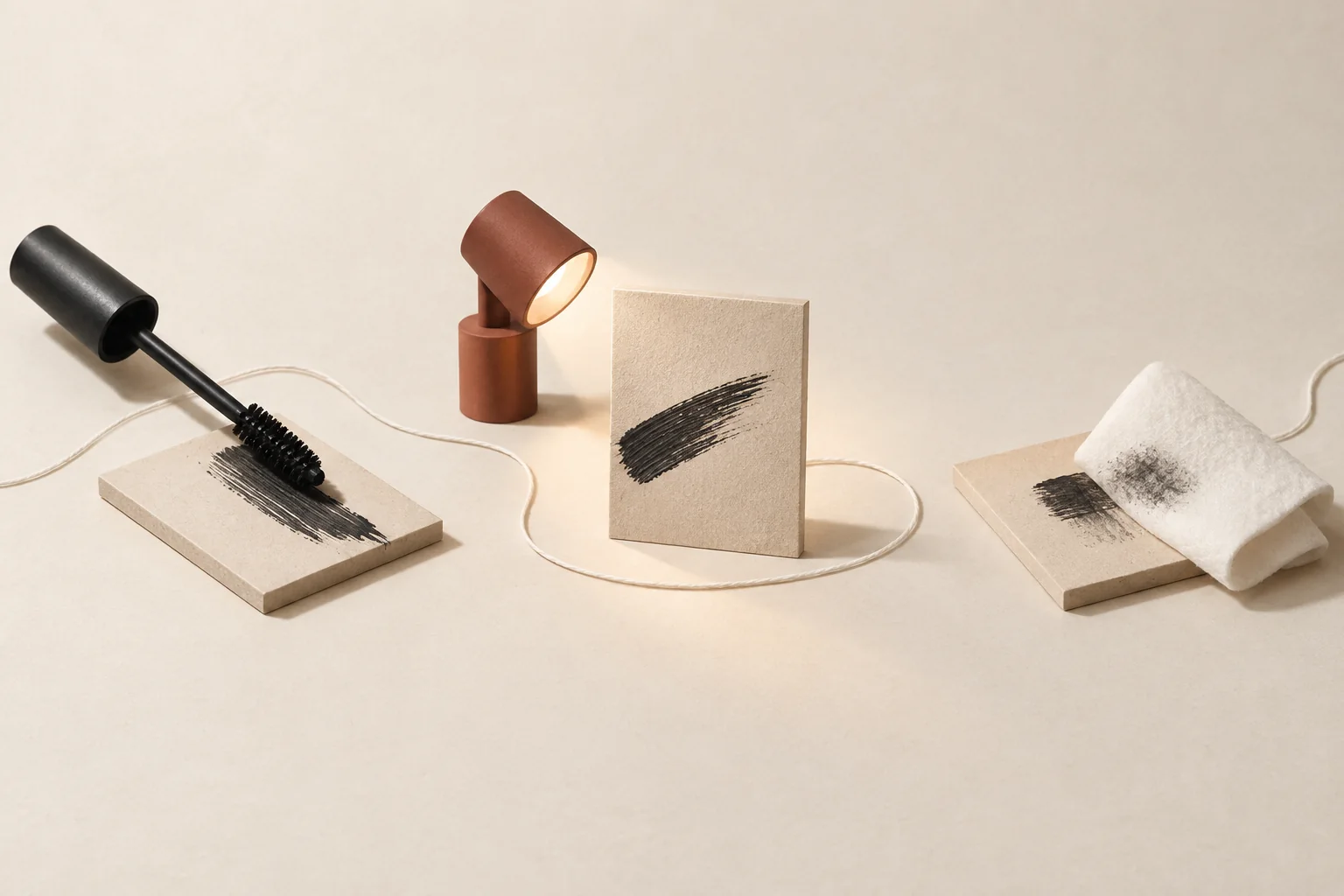
For a hypothetical mascara campaign, the answer could be "apply the product, inspect its appearance later, and follow the supplied removal directions." That gives you three things to look for in a creator's work. It does not promise a particular wear duration or removal result.
Ask the brand's product owner for the current label, directions, warnings and supported advertising claims for the intended market. Use those documents to decide which steps a creator must show. Do not invent a method from a competitor's tutorial or assume two products with similar packaging work alike.
If the product brief includes treatment language, pause selection until a qualified regulatory reviewer has checked it. In the United States, the FDA explains that intended use determines cosmetic or drug status, and advertising can help establish that use. A creator's confidence does not resolve a classification question. Use the guide to building a beauty campaign around supportable claims before recruiting someone to deliver an uncertain claim.
Review demonstrations with a stage-by-stage rubric
Ask shortlisted creators to nominate two or three existing posts that show relevant skills. This is a suggested review sample, not a platform requirement or a validated prediction of sales. Watch the complete posts, including captions and any follow-up they identify.
For each row below, mark shown, unclear or absent. Record the post and the moment supporting your judgment. "Absent" means you lack evidence; it does not establish that the creator lacks the skill.
| Stage | Evidence to look for | Question for the creator |
|---|---|---|
| Application | The product, tool and important movements remain visible. Editing does not skip the step a beginner needs. | Can you show the required step without a cut hiding it? |
| Explanation | The creator explains amounts, sequence and technique where relevant, while distinguishing directions from personal preference. | How would you explain why you use that technique? |
| Wear or use | Follow-ups identify elapsed time and relevant changes, such as touch-ups or other products applied. | Can you document what happened between the first shot and the follow-up? |
| Removal | Where removal is part of use, the creator can show the directed method and describe what remains. | Can you follow the supplied directions without adding an improvised shortcut? |
| Observation | The creator separates visible results and personal experience from broader promises. | How would you describe a result that differed from your expectations? |
| Filming | Framing and lighting let viewers inspect the relevant result. Effects do not obscure it. | Which effects or edits would you normally use here? |
Do not total these marks into a universal beauty score. Label the rows essential to this product. A strong application demonstration cannot fill a missing wear check when the campaign's central question concerns wear.
For a leave-on product, removal may be outside the demonstration's purpose. Mark that row "not required" with a reason. For a rinse-off product, rinsing belongs in the application sequence. Adapt the rubric to the directions rather than forcing every product into the same video.
Separate missing evidence from a poor fit
Consider this hypothetical comparison for the mascara brief. Neither creator nor outcome is real.
| Review finding | Creator A | Creator B |
|---|---|---|
| Application | Clear close-up sequence | Clear close-up sequence |
| Wear check | Finished look only | Dated follow-up with touch-ups explained |
| Removal | No example supplied | Directed removal shown in a relevant prior tutorial |
| Explanation | Names products and shades | Explains technique and qualifies personal observations |
Creator B has more evidence for this assignment. Creator A could remain under consideration if they want to supply an existing follow-up or complete a paid trial. Do not ask either creator to guarantee a favorable result.
A trial should answer one unresolved question. For Creator A, that might be whether they can film a coherent application-to-removal sequence. Agree on payment, scope and permitted use before commissioning it. An unpublished trial should not quietly become a free advertising asset.
If both candidates meet the essential rows, compare the evidence most relevant to the shopper's question. Then consider audience relevance, availability and cost. Keep the demonstration decision visible instead of allowing a large audience to erase an unexplained technique gap.
Use voluntary product experience without profiling health
A creator may already publish detailed tutorials using a similar product format. That experience is useful. Ask which products and techniques they are comfortable discussing, and whether this assignment interests them.
Keep selection notes about the work. "Shows brush placement clearly" is an observable assessment. "Probably has eczema" is an inferred medical label. Do not infer medical conditions, ethnicity, religion or other protected traits from appearance, names or viewing habits. Do not ask creators to disclose a diagnosis to qualify for an ordinary cosmetic demonstration.
This is also a data-handling concern. In its UK GDPR guidance, the ICO explains that intentional inferences about health or ethnicity can involve special-category data, including when those inferences affect how someone is treated. That guidance currently carries an under-review notice. Get privacy advice before collecting sensitive information; a public post or voluntary mention does not settle every reuse question.
For shade-dependent products, let creators choose from product references. Follow the process for collecting shade preferences without appearance assumptions. A shade choice should help arrange a suitable sample, rather than become a proxy for ethnicity or health.
Modash's beauty influencer marketing guide suggests looking beyond beauty-only accounts and considering existing product users. Apply the same demonstration rubric to those candidates. A lifestyle creator may explain the needed technique well; their category label alone cannot tell you.
Confirm the boundaries before choosing
Before an offer, ask whether the creator will describe their real experience, disclose the relationship and stay within supported claims. The FTC's US influencer guidance says endorsers cannot describe experience with products they have not tried or invent claims requiring evidence the advertiser lacks. It also calls for disclosure of material connections, including gifts, and places video disclosures in the video itself.
For intended paid reuse, check the platform and destination market before treating a creator's usual format as suitable. TikTok's healthcare advertising policy has market-specific product rules. Its Austria cosmetics entry, for example, restricts medical and exaggerated performance claims. This is a paid-ad policy example, not permission to run the same beauty content everywhere.
Choose the creator whose existing evidence covers the essential demonstration stages, or commission a bounded trial to resolve the remaining gap. Send them the exact shopper question and product directions next. Once they accept, turn the agreed stages into texture and application shots for the launch.