



Assess styling fit by watching how a creator solves a clothing problem: where the outfit will be worn, why the pieces work together, and how the garment behaves. Then check whether their product explanations match the brand's documentation. Use aesthetic labels to find candidates, but base the shortlist on observable work. Do not infer body measurements from images.
A creator tagged "minimalist" could make polished outfit montages, detailed tailoring tutorials, or practical commuting videos. Those are different abilities. Fashion influencer selection needs to identify which one your product brief requires.
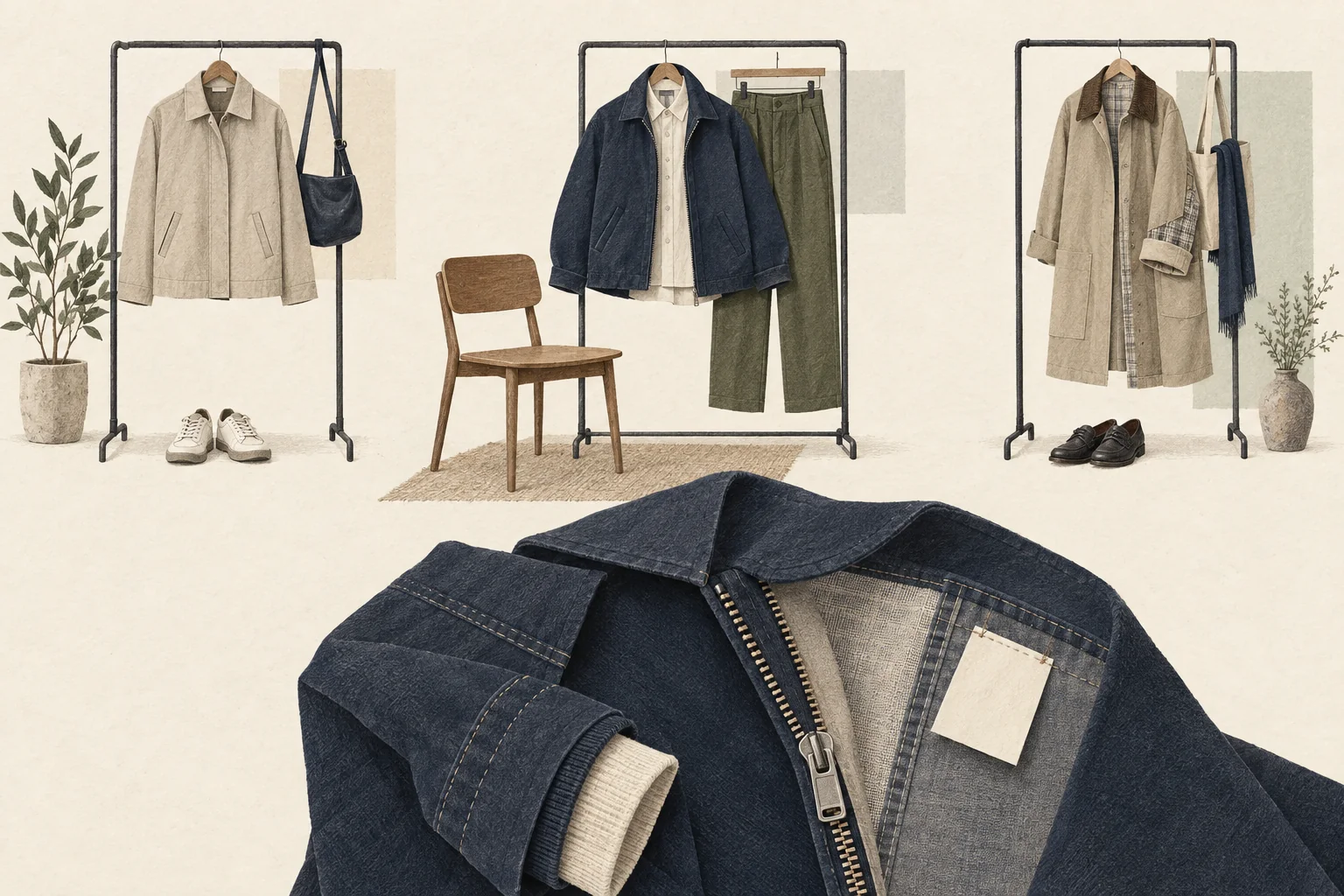
Turn the aesthetic into a wearing situation
Modash's fashion influencer marketing guide includes audience fit, content/style fit and past collaborations in its selection advice. To make the style check usable, write one sentence that names the occasion and the decision a shopper faces.
For example, this hypothetical brief is specific enough to review against:
Show how a lightweight jacket works over existing outfits for a cool morning commute and a warmer indoor workplace.
That brief gives a reviewer things to look for: layering, movement, removal of the jacket and an explanation of what stays comfortable indoors. "Understated everyday style" supplies much less direction.
Before opening candidate profiles, record:
- The wearing situation, including weather or dress requirements that matter.
- The item and variants the campaign can supply.
- The shopper's unresolved question, such as sleeve room over another layer.
- The demonstration needed to answer it.
- Claims that require product documentation or actual wear experience.
Treat this as the styling portion of selection. Audience relevance, fees, availability and campaign objectives still need their own review.
Review a comparable sample of work
As a starting method, review six recent, relevant posts per candidate, including a sponsored post where one is available. Six is a suggested review size, not a validated predictor of campaign success. Use the same selection rule for everyone and record the review period. If you cannot find enough relevant work, mark the gap.
Watch the posts and read their captions. Save the post link and a timestamp for each observation. A profile grid cannot show whether a creator explains a fastening, corrects a fabric claim or demonstrates movement.
Use this rubric. Score each dimension separately:
- 2: repeated relevant evidence in the reviewed sample.
- 1: one useful example or evidence that only partly matches the brief.
- 0: observed behavior conflicts with the brief or product facts.
- U: unknown because the sample does not show it.
| Dimension | Evidence to record | A reason to pause |
|---|---|---|
| Occasion fit | Outfits address a named activity, setting or weather condition | The setting looks suitable, but no use is demonstrated |
| Styling explanation | The creator explains a choice and its tradeoff, such as sleeve volume under a coat | Every recommendation stops at liking the look |
| Garment handling | Relevant views show closures, layers, pockets or movement | Editing hides the feature the shopper needs to assess |
| Product knowledge | Facts match documentation; personal impressions have clear limits | The creator guesses composition or promises untested performance |
Keep one evidence note beside every score. "Opened the jacket to show the layer underneath at 00:18" is reviewable. "Premium energy" is not.
Do not turn unknowns into zeros or let a high total erase a factual problem. For an explanatory try-on brief, require evidence of both explanation and handling. For an outfit-inspiration brief, the balance may differ. Set that priority before scoring.
Check product knowledge against a real garment
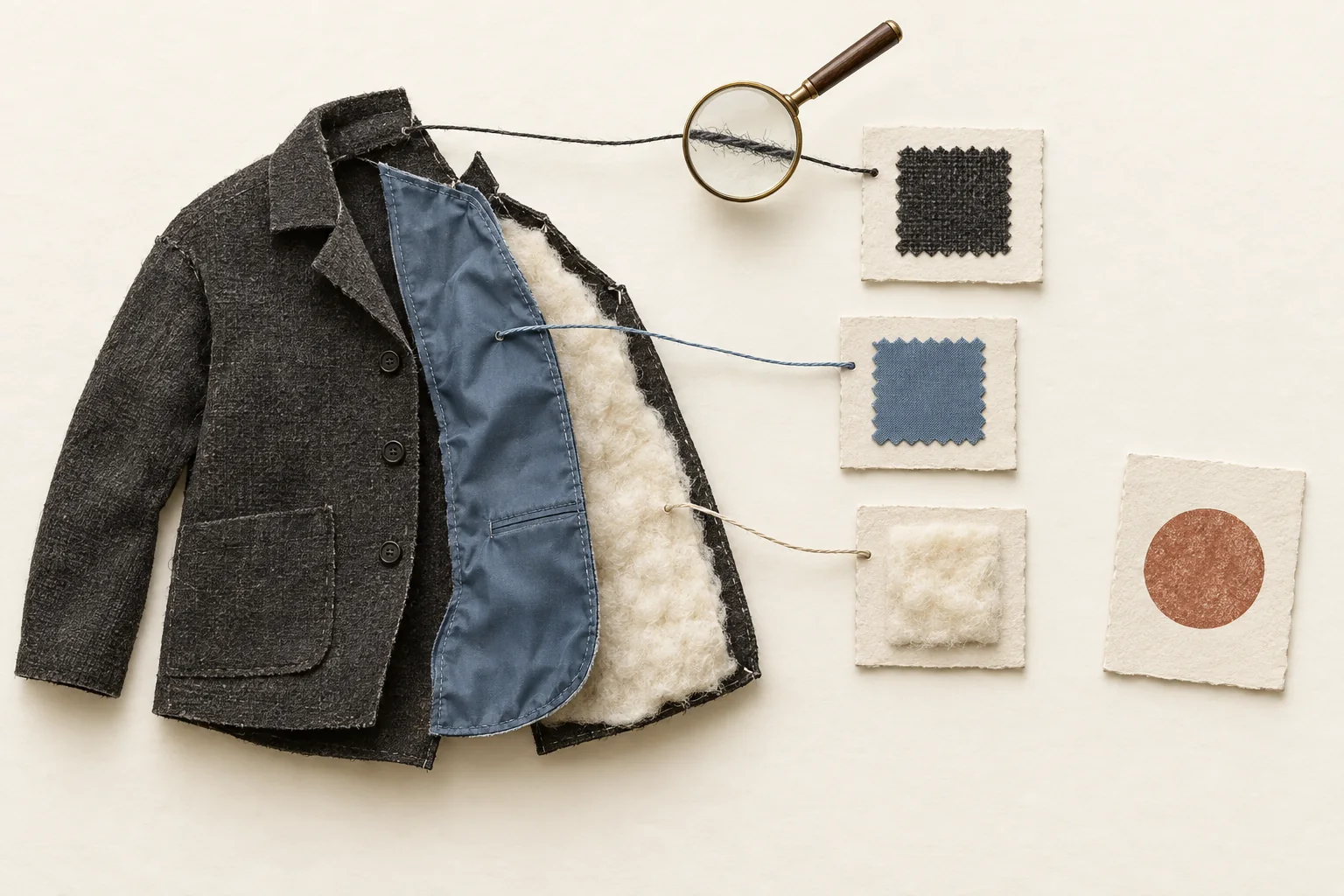
Use the manufacturer's page, size guide and garment label as the factual reference. A creator does not need to recite every specification. They need to recognize which statements they can support.
For a documented example, Patagonia's Women's Better Sweater Fleece Jacket page lists recycled polyester knit fleece for the body. Its care directions call for cold machine washing and low tumble drying, with no bleach or ironing. The page also notes that the garment can pill.
A selection review can therefore ask whether a candidate:
- Distinguishes a sweater-like appearance from the stated fiber composition.
- Checks care directions before suggesting garment preparation.
- Leaves room for a product limitation instead of promising that it will never pill.
- Separates their experience of warmth or comfort from a claim about every wearer.
These are review prompts, not claims that any named creator passed or failed them. The product example does not imply a Patagonia partnership. Recheck the exact item and label before issuing a brief, because another garment may need different care.
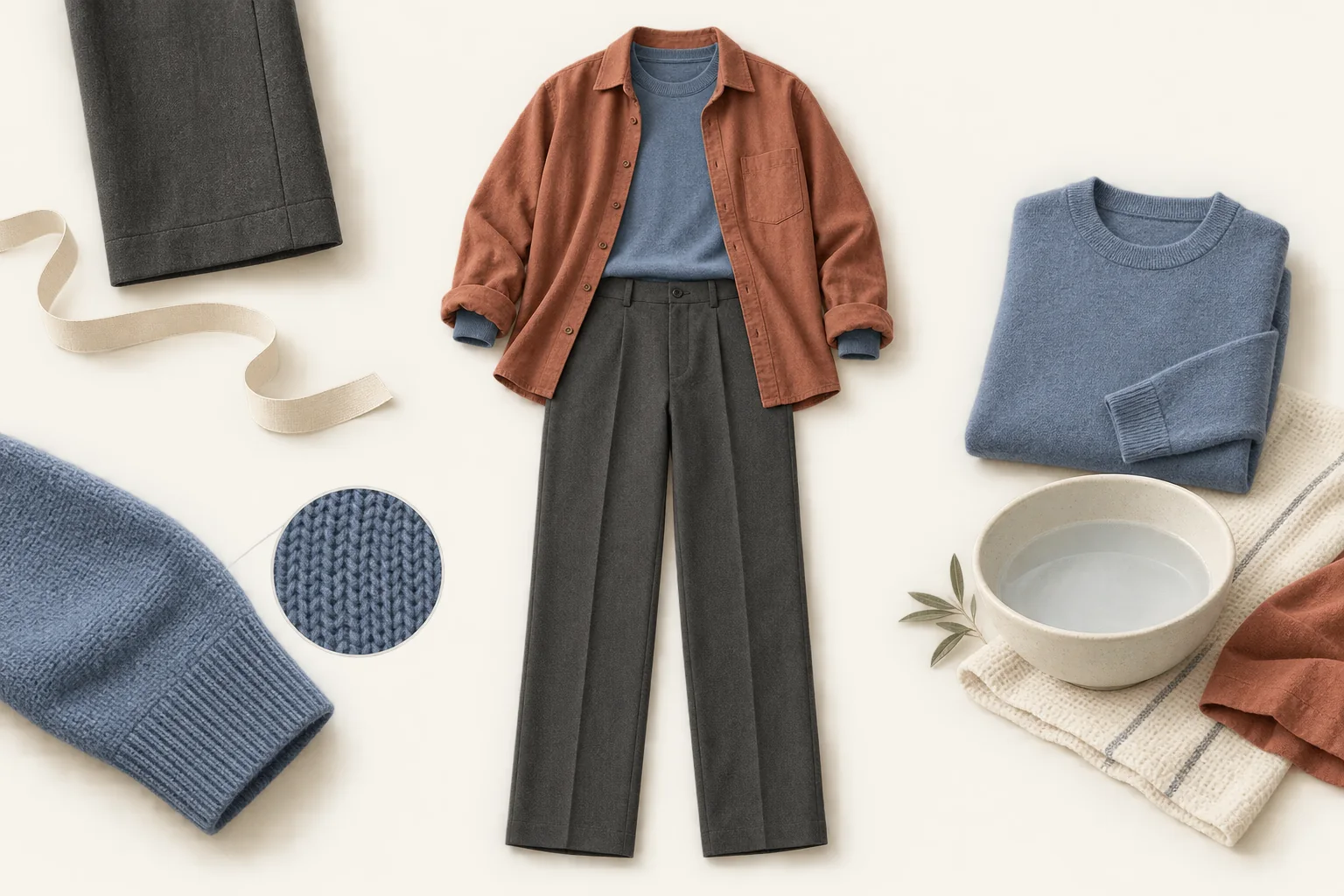
Once you choose a creator, use a fabric and care briefing sheet to keep those details tied to the item they receive.
Keep body measurements out of visual scoring
Score what the creator demonstrates with clothing. Do not estimate their waist, chest, height or clothing size from a photo, and do not label identity from appearance.
Patagonia's size guide uses body measurements and gives directions for taking them. It also distinguishes intended fit from size. That supports a practical boundary for this workflow: use relevant, voluntarily supplied sizing information and the correct chart when arranging samples. A visual impression is not a measurement record.
Keep sizing separate from the styling score. A creator can explain a garment well even when your sample cupboard lacks their preferred size. Record that as a supply problem. Do not downgrade their knowledge or ask them to force a fit for filming.
When you reach sample planning, collect clothing sizes without making identity assumptions. The shortlist only needs to say whether sizing still needs confirmation.
Compare candidates against the same brief
Here is a hypothetical comparison for the commute-to-workplace jacket brief. The candidates and observations are invented to demonstrate the method.
| Candidate | Occasion | Explanation | Handling | Knowledge | Decision |
|---|---|---|---|---|---|
| A, outfit montage creator | 1 | U | 1 | U | Ask for an existing explanatory example before advancing |
| B, practical wardrobe creator | 2 | 2 | 2 | 1 | Advance, with a product-facts discussion |
| C, fabric-focused creator | 1 | 2 | 2 | 2 | Hold as an alternative; confirm interest in the commute setting |
In this example, B repeatedly shows indoor and outdoor layering and explains the choices. Their reviewed posts contain only one documented material explanation. That gap needs a conversation, rather than an assumption that they know the new jacket.
C has stronger product explanations but less evidence of the required occasion. If the brief changes to a fabric comparison, C may become the better choice. A may suit a visual inspiration campaign, but the available sample does not establish explanatory ability.
No score here predicts sales. The decision names the work each candidate has shown and the uncertainty that remains.
Resolve factual concerns before selection
For endorsements that affect U.S. consumers, the FTC's influencer guidance calls for clear disclosure of material brand relationships. It also says creators cannot describe experience with a product they have not tried or invent claims that lack support. Ask candidates how they handle disclosure and factual corrections. Give them time to try the item before requesting personal conclusions.
Environmental language needs the same care. The FTC's Green Guides summary advises against broad, unqualified environmental benefit claims. Recycled content does not, by itself, support every environmental claim a creator might make. Keep any proposed wording specific and route it through a fashion sustainability claims review. These are U.S. guidance points; campaigns in other markets need the relevant local review.
For the next shortlist meeting, bring three candidate rows with linked observations and one unresolved question each. Ask the team to choose who can demonstrate the wearing situation, then resolve that person's missing evidence before booking.